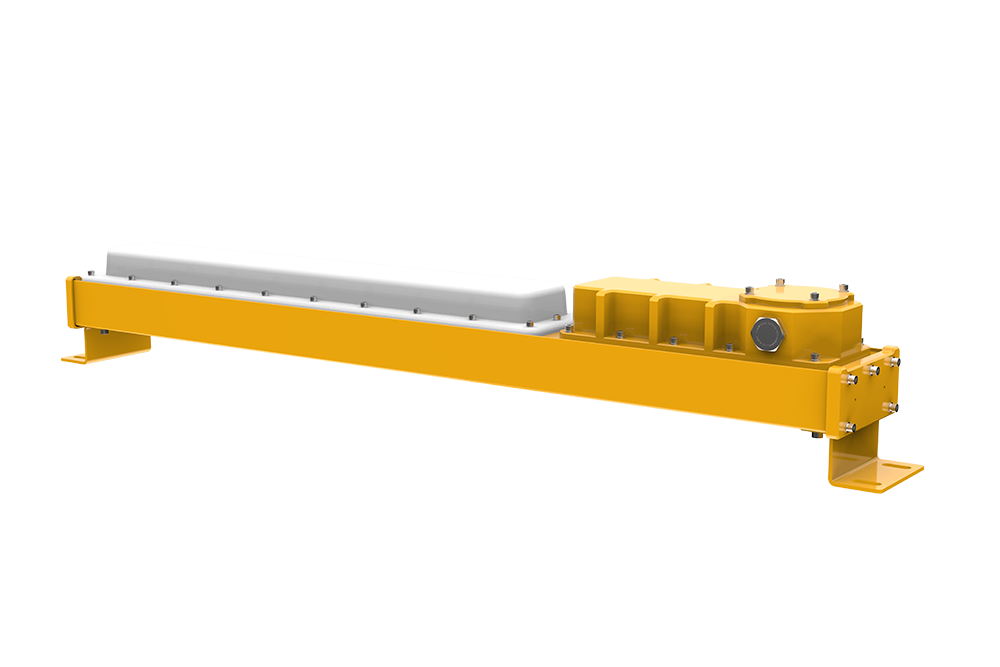
Starting such write-up examines a technologies involving spark-proof sources across commercial workspaces.
Running reliably in treacherous sites like processing sites necessitates select machinery with the goal to block foreseeable accidents. Flame-proof lighting devices are vital aspects in those grounds, crafted to absorb discharges, catchable emissions, and explosive zones. These instruments are never inherently non-hazardous; rather they are engineered to enclose any interior arc or flare and avoid it from starting a augmented detonation in the local area. This presentation gives crucial knowledge about explosion-proof lighting, their functions, and precaution aspects for adopting them diligently.
Comprehending Explosion Proof Lighting Standards
Complying with prescribed hazard-resistant lighting criteria can be elaborate, especially within domains facing hazardous sites. These codes – often derived from domestic bodies specifically the National Electrical Code (NEC), ATEX (Europe), and IEC – define clear design and mounting procedures to prevent the hazard of burning from current-driven equipment. Understanding such standards is necessary for ensuring laborer safety and fulfillment with enforceable obligations.
Light Emitting Diode Blast Resistant Lighting Systems: Capability & Precaution
Crystal-Based explosion proof fixtures offer a substantial advancement over older filament units in spaces where ignitable fumes are existing. These sturdy tools also offer superior energy optimization, bringing about cut-down running costs, but notably promote a greater level of safety by mitigating the threat of arcing because of energy sparks}.
Explosion Hardened Toxic Environment Risky Proof Blast Blaze Flashpoint Resistant} Sources : A Detailed Overview
Explosive Toxic Zone Perilous Proof} Systems are customarily fabricated lighting devices built to act safely within probabilistically combustible environments. These resilient fixtures inhibit sparks, energy and charge charges from producing a grave explosion. They regularly incorporate innovative designs, encompassing specifically enclosed housings and basically safe current-based parts to preserve safety requirements in workplaces like hydrocarbon & petrochemical processing, production plants, extraction operations, and healthcare production.
Opting for the Fitting Ignition-Resistant Lighting for Unstable Locations
Assessing the ideal fire-safe lighting for a designated danger zone obliges detailed inspection. Aspects such as the type (e.g., Group I, II, or III and sectors 0) need to be rigorously assessed to validate obedience with pertinent hazard control protocols. Besides the vicinity's intrinsic perils, weigh ambient elements, consisting of temperature and wetness, to choose a sturdy and secure remedy. Systematically consult a certified advisor to facilitate your resolution.
Locations Where Are Found Explosion Proof Lights?
Explosion-proof frequently referred to as intrinsically safe|hazardous location|Class-rated} lighting apparatus are strictly needed in specific areas where inflammable emissions or pollutants could can create a dangerous atmosphere. This usually includes manufacturing manufacturing plants, sealant application areas, cereal handling facilities, and water treatment treatment works. Regulations, such as those from NEC and ATEX, specify their placement in these environments to mitigate the risk of combustion and secure security stability.
Gains of LED in Explosion Proof Lighting
Switching to LED technology for explosion proof lighting offers a significant number of positives. First, semiconductor devices boast a remarkably longer activity span compared to traditional neon devices, reducing care fees and breaks. They are also naturally safer, producing minimal heat which diminishes the hazard of fire outbreaks in risky atmospheres. In addition, light emitting diodes are more cost-effective, leading to lessened electrical power costs and a smaller earth-friendly carbon emission. Finally, the sturdy construction of Semiconductor assemblies endures the harsh milieus typical of fire-safe areas.
- Longer Longevity
- Diminished Servicing Disbursements
- Boosted Protection
- Abated Electrical Usage
- Fortified Longevity
Maintaining and Reviewing Explosion Proof Lighting Systems
Routine checking and exhaustive survey of blast-proof lighting setups are decisively crucial for affirming operational integrity and curbing potential threats. This encompasses a timely review of all items, such as lighting devices, passages, electrical lines, and coupled terminal enclosures. Primarily, confirm for erosion, structural compromise, and effective grounding. In addition, guarantee that each signs are legible and that the illumination sources conforms to relevant protocols.
- Accomplish external assessments.
- Inspect conductive junctions.
- Validate fire-proof compliance.
Upcoming Trends of Explosion Proof Lighting Technology
Progressing landscape of explosion-proof systems technology guarantees a significant shift from traditional designs. Future solutions will progressively incorporate automated capabilities, enabling dispersed monitoring, diagnostics, and flexible control. We anticipate a expanding adoption of luminescent technology, not only for its fundamental energy efficiency, but also its aptitude to facilitate installed hazardous location lighting sensors for gauging unstable conditions. Furthermore, materials study is pushing innovations in resilient shell materials, allowing for reduced weight and enhanced designs, while sustaining the compulsory levels of defense.
- Boosted battery life for movable applications.
- Unification with anticipative maintenance bases.
- Construction of carefree lens arrangements.