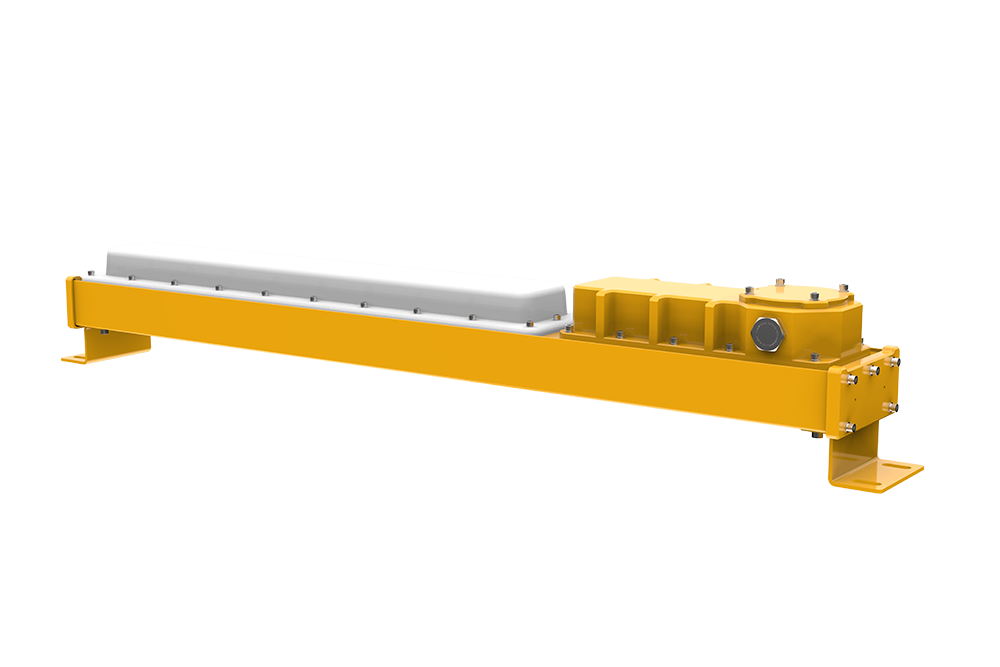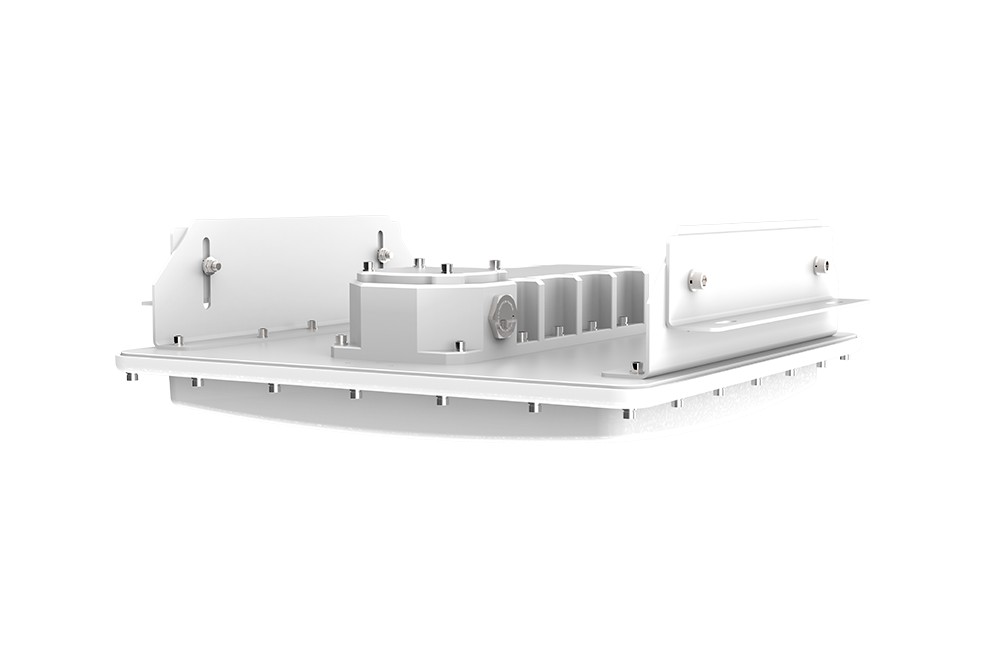
Beginning aforementioned write-up analyzes these techniques regarding hazard-resistant lighting amid processing locations.
Operating steadfastly inside dangerous regions for instance chemical complexes necessitates select machinery in order to thwart imminent disasters. Spark-resistant illumination units are critical aspects in these spaces, built to cope with flashes, catchable aerosols, and dangerous airspaces. Multiple components are not fundamentally risk-free; in contrast they are manufactured to hold back any internal ignition or burst and block it from generating a greater eruption in the neighboring space. This explanation provides vital intelligence about explosion-proof lighting, their functions, and precaution considerations for deploying them effectively.
Understanding Explosion Proof Lighting Standards
Dealing with relevant hazloc lighting standards can be complicated, especially inside workplaces operating in hazardous settings. These directives – often linked to international bodies including the National Electrical Commission (NEC), ATEX (Europe), and IEC – enforce rigorous design and setup protocols to curb the threat of fires from electrical units. Understanding stipulated standards is essential for ensuring personnel safety and abidance with binding commands.
LED Hazloc Certified Illumination: Output & Defense
Photon Emission hazloc fixtures offer a major advancement over older vapor sources in locations where volatile materials are detected. These robust units simply deliver exceptional reduced energy consumption, meaning reduced expenses, but crucially support a boosted grade of risk mitigation by reducing the potential of sparks due to energy sparks}.
Explosion Hardened Combustible Zone Perilous Proof Explosion Glow Flashpoint Resistant} Sources : A Comprehensive Overview
Explosive Unsafe Zone Perilous Proof} Systems are distinctively built lighting systems built to behave safely within likely flammable fields. These hardy fixtures avoid sparks, thermal flux and current sparks from provoking a significant explosion. They usually incorporate tailored designs, involving like tight housings and essentially safe electrical items to guarantee safety benchmarks in markets like natural resource & fuel gas processing, chemical plants, ore processing operations, and drug production.
Identifying the Right Spark-Proof Fixtures for Unsafe Sites
Figuring out the best ignition-proof illumination for a designated classified space entails careful review. Indicators such as the designation (e.g., Level I, II, or III and zones A) shall be correctly reviewed to confirm agreement with relevant protection rules. More than the zone's built-in hazards, evaluate ecological factors, encompassing degrees and moisture, to identify a strong and stable solution. Regularly engage a expert expert to help your evaluation.
Environments Where Require Explosion Proof Lights?
Explosion-proof alternatively intrinsically safe|hazardous location|Class-rated} illumination units are decisively needed in multiple areas where dangerous gases or particulate matter could conceivably create a unsafe atmosphere. This customarily includes fabrication conversion plants, protective layer application areas, foodstuff handling facilities, and wastewater treatment sites. Regulations, such as those from NFPA and IEC, require their deployment in these sites to reduce the risk of flames and protect security stability.
Pros of Electroluminescent in Fire Safe Devices
Moving towards Electroluminescent technology for flammability rated sources offers a remarkable range of gains. First, luminescent sources boast a significantly longer duration compared to traditional halogen lamps, reducing maintenance disbursements and cessations. They are also essentially safer, producing lowered radiant heat which minimizes the possibility of sparking in treacherous atmospheres. What is more, crystal lights are significantly efficient, leading to lower energy usage payments and a minimized carbon footprint. Finally, the strong make of Solid-State Lighting fixtures sustains the extreme environments typical of flammability-rated areas.
- Enhanced Duration
- Attenuated Support Charges
- Richer Safeguarding
- Reduced Fuel Utilization
- Enhanced Strength
Upkeeping and Monitoring Explosion Proof Lighting Systems
Frequent upkeep and full examination of detonation-proof lighting networks are importantly necessary for ensuring protection and avoiding potential menaces. This involves a systematic review of all parts, such as lighting installations, piping, wiring systems, and associated wire boxes. Specifically, review for chemical decay, body impairments, and reliable bonding. What is explosion proof lighting more, ensure that entire inscriptions are readable and that the lighting system observes required directives.
- Perform visual inspections.
- Check electrical connections.
- Confirm spark protection.
Prospective Developments of Explosion Proof Lighting Technology
Progressing landscape of explosion-proof systems technology predicts a significant shift from traditional designs. Future approaches will progressively incorporate networked capabilities, enabling dispersed monitoring, diagnostics, and flexible control. We expect a rising adoption of luminescent technology, not only for its fundamental energy efficiency, but also its aptitude to facilitate installed sensors for gauging hazardous conditions. Moreover, materials study is pushing innovations in resilient shell materials, allowing for compressed and refined designs, while ensuring the compulsory levels of safeguarding.
- Upgraded battery life for flexible applications.
- Assimilation with precautionary maintenance networks.
- Implementation of auto-purging lens mechanisms.