Ceramic work reflects a remarkable practice variety with a lengthy heritage, extending back multiple of times. From ancient receptacles to present-day installations, the matter offers peerless possibilities for creative rendering. Makers manipulate diverse techniques – including molding, wheel manipulating, and advanced firing processes – to shape humble soil into pleasing three-dimensional pieces. The resilience of fired terracotta also contributes to its status as a truly noteworthy part of human culture.
Investigating Terracotta Tablet Configurations and Techniques
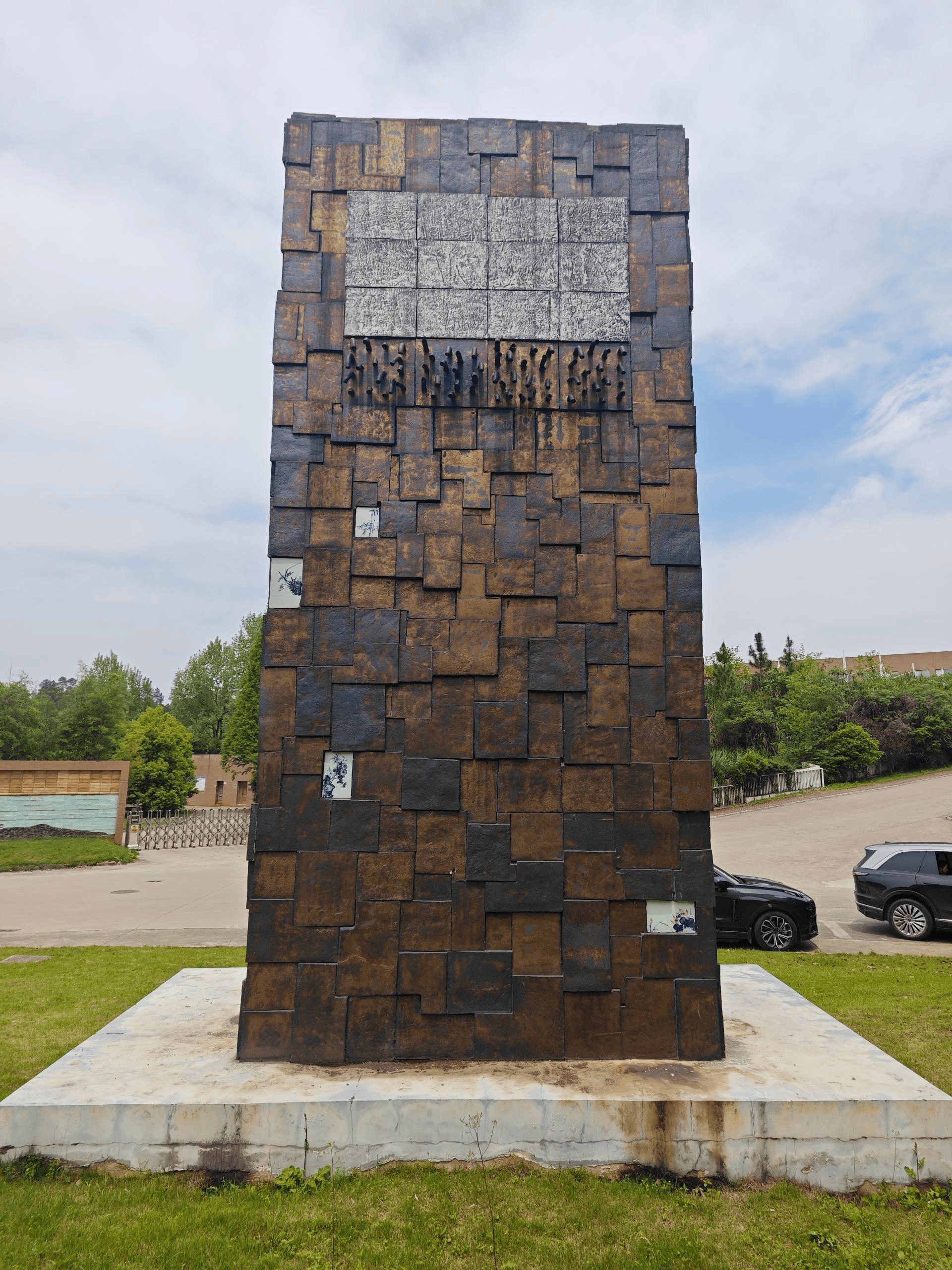
The realm of ceramic marker design offers a extensive array of expressive possibilities. Crafters often explore a blend of classic and new techniques to construct visually stunning pieces. These can vary from simple, crafted reliefs to complex, multi-layered assemblies. Routine methods include slip casting, hand shaping, varnishing – which can involve numerous techniques like painting before firing, top glaze design, and incised illustration where designs are highlighted by excavating a layer of shell. Extended research into exterior stylings such as thermal treatment and pearlescent coating can offer truly special and exclusive porcelain markers.
- Form Casting - Producing pieces using a shaped form
- Hand Building - Directly shaping the mud
- Surface Finishing - Covering the exterior with a glass-like finish
- Carved drawing - Showing designs by removing shells
Engaging Experiences: Stoneware Art Exhibits
The expanding landscape of expression presents exciting modern avenues for observers, and ceramic art installations are at the front line of this movement. These aren't just static statues; they are fabricated to envelop the participant in a sensory setting. Imagine venturing into a forest of towering, decorated ceramic trees, or navigating a web of fine ceramic vessels. Many creators are now incorporating harmonies, radiance, and even aroma to enhance the feeling of their work. Visualize the power of a room filled with hundreds of delicately ceramic creations, each telling a anecdote. Traditionally, such installations examine themes of landscape, nostalgia, and humankind.
- These particular installations blur the limits between art and setting.
- Engaging with a ceramic art installation can be a deeply affecting journey.
- Producers are expanding the limits of what is feasible with clay.
A Attractiveness of the Earthenware Vessel: Role and Formation
The pottery vessel represents a admirable conjunction of usefulness and stylish appeal. Historically, these holders served a primary task in preserving liquids, but their transformation has transformed them into highly valued works of handiwork. Each creation showcases the know-how of the craftsman, demonstrating how outline can be as significant as utility. The conscientious shaping, the exceptional glazes, and the comprehensive presence of a skillfully-formed vase can improve a space, offering both magnificence and a subtle reminder of the maker’s hand.
Present-day Brick Form : Stretching Perimeters
Current stoneware design represents a fascinating evolution from established practices. Sculptors are increasingly exploring with modern techniques, challenging the edges between design and other creative realms. From colossal installations to elaborate miniature pieces, these works examine themes of individuality while in unison remaking the essence of what ceramics can accomplish. The effect is a active sphere of creative design.
Earthenware Marker: Guarding Chronicle in Terracotta
Porcelain plaques offer a singular method for noting significant events and people. Unlike traditional metal or stone markers, these long-lasting pieces of craftsmanship are formed from hardened clay, creating a physical link to the former times. Regularly, they depict intricate sculptures or delicately designed imagery, communicating stories that might otherwise be disregarded. That technique, stemming from ancient tribes, provides One Hundred Blooms a stunning and durable way to pay tribute to our collective legacy.
- These can be situated in public spaces.
- Scores of are now recognized historical remnants.
Stoneware Art Exhibits: Changing Environments
Pottery art installations are emerging a impactful medium for makers to reinvent public and private settings. These immersive works frequently involve considerable clay artifacts that involve viewers, modifying their perception of the engineered environment. By applying diverse methods like hand-building and complicated firing systems, ceramic artists produce truly original experiences, erasing the divisions between work and building. The effect is often a stirring metamorphosis that enhances the creative quality of the site and encourages discussion.
Start Spin Tool to Spectacle: The Art of the Terracotta Container
The journey of a brick urn from a simple lump of terracotta to a polished work of art is a testament to human brilliance. Historically, the process commences with the potter’s lathe, where the expert artisan forms the rotary material into a cylindrical profile. This first part demands accuracy and a attuned eye, followed by a delicate drying period. Once pre-fired, the vase is ready for ornamentation, which may comprise applying intricate sketches, carving detailed views, or implementing a assortment of enamels. The definitive heating process then renders the piece into a durable and exquisite holder, a tangible expression of the designer's talent.
Crafting with Porcelain: A Introduction to Earthenware Expression
Delving the sphere of stoneware composition begins with understanding the essentials of forming with porcelain. This method necessitates attentively composing and subtracting mass to build three-dimensional artifacts. If you're a neophyte or a seasoned maker, trying with diverse categories of terracotta – notably brick – will help you uncover your distinctive voice. Eventually, stoneware modeling is a fruitful quest that merges skilled mastery with inspired expression.