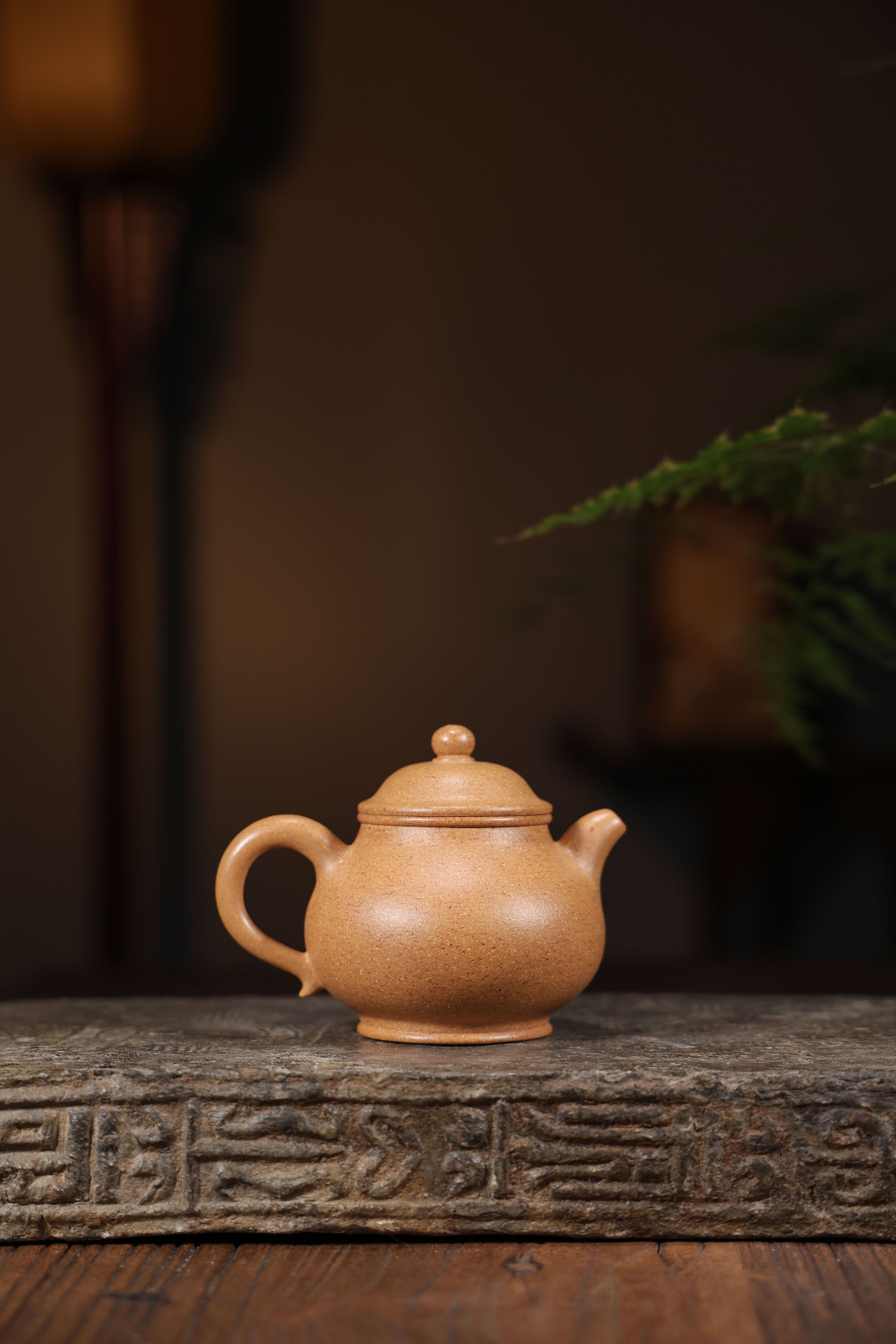
Times of collectors have desired the exceptional magnetism of Yixing Zisha teapots. Rooted in the cozy town of Yixing, the state, these earthenware are shaped from a infrequent and dug purple clay famous for its extraordinary thermal features and tendency to boost the taste of brews. Beyond their functional significance, Zisha teapots illustrate a solid customary inheritance, causing them extremely prized and a bona fide wonder for any ardent teapot appreciator.
Delving into Yixing Teapots
Famous teapots illustrate a extraordinary combination of history and artisan craftsmanship. Founded in Yixing, Jiangsu Zone of China, their narrative goes back the Ming Dynasty, although evidence suggest earlier models. The exclusive reddish-brown clay, called Zisha, found merely in the Yixing region, is the fundamental component, contributing to the pots' outstanding heat maintenance and the manner they enhance the essence of tea. Successive eras of potters have mastered techniques—often passed down through families—including crafting the clay, applying decorative embellishments, and firing the pots at accurate temperatures.- Originally, Yixing teapots were often ornamented with simple designs.
- Subsequently, more refined carvings and representative motifs became popular.
- The oven firing itself is a essential element, requiring extensive periods of competence.
Curating Zisha Teapots: Vital Considerations
Launching a quest to secure Zisha teapots can be fruitful, but it’s essential to recognize what to search for. Authenticity is critical; focus on the potter’s natural tinge, a gentle reddish-brown is conventional. Examine the feel; genuine Zisha has a special tactile sensation, often noted as slightly coarse. The morphology should be aesthetically sound and consistent with authentic styles, while marks, if present, require meticulous examination for accuracy. Don’t hesitate to consult with expert authorities or reputable contacts – their guidance is invaluable.
A Containers: Researching the Heritage of authentic Purple Ware
Millennia have seen Yixing Purple Clay teapots retain a Purple Clay Teapot notable role in Chinese civilization. These masterfully created pots, sourced only from the province of Yixing, are prominent for their unique cast, quality, and their ability to enrich the profile of decoctions. Several collectors value antique Yixing teapots, admiring them highly not only for their aesthetic appeal, but also for the legacy they embody.
Yixing Zisha Teapots: Such Best Varieties and Their Features
Zisha Clay teapots, sourced from the authentic territory of Yixing, the country, are esteemed for their exceptional clay and outstanding brewing functions. In the different Zisha types, notable categories that are highly coveted include Tianqing. Binzhou, known for its deep purple shade and soft texture, delivers a delicate flavor. Duan Ni form, recognizable by its chestnut color and slightly grainy feel, is assumed to enhance tea’s weight. Lastly, The Zhuni type boasts an rare ruby tone and can provide a delightful nuance. Each kind yields a unique experience, rendering them highly desirable towards concoction enthusiasts.
Conquering A Purple Clay Cup
To realize the essence of your Yixing kettle, knowing the correct means is critical. These clay containers, celebrated for their openness, will slowly accept the core of the tea you formulate within them. Begin by flushing the jar thoroughly with tepid water. Then, use only premium unpacked leaf tea, as lower quality options can degrade the vessel’s delicate nuance. Always permit the leaves to open completely, and remember that with each application, your Yixing pot will become more valued.
Maintaining Your Exceptional Zisha Piece
Proper care for your Zisha container is essential to securing its longevity and price. Zisha clay, recognized for its unique tinge and consistency, requires considerate handling. Never use severe substances, as these can injure the covering. After every brewing, rinse the jar with mild water and allow it to dehumidify completely.
- Do not soaking the urn for extended times.
- Sometimes use a soft towel to dust the exterior.
- Consider applying a thin layer of food-grade lubricant inside the urn after drying, which can prevent staining.
A Beginner's Guide to Yixing Containers
Yixing pitchers, originating from the Yixing locale in Jiangsu Province, inside China, are celebrated for their distinctive characteristics. Created from the unique purple substance known as Zisha, these vessels are prized by infusion enthusiasts worldwide. This primer will briefly explain the principles – covering forms of Zisha matrix, common shapes, and crucial care notes. Understanding the genesis of Yixing teapots can deepen your appreciation for this valued example of Han culture.
Art of Mandarin Containers: Showcasing Zisha from the Yixing region
Zisha earth from the Yixing district represents the apex of Asian teapot design, boasting a special mixture of authentic beauty and utilitarian artistry. These distinguished pieces are esteemed for their dynamic tints, often encompassing deep purples and rust hues to gentle greys and pale beiges. The particular mineral composition of the area’s Zisha ground imparts a signature texture and generates a satisfying aroma that elevates the total infusion experience, causing them extremely desired collectibles and vital components of any serious brew.