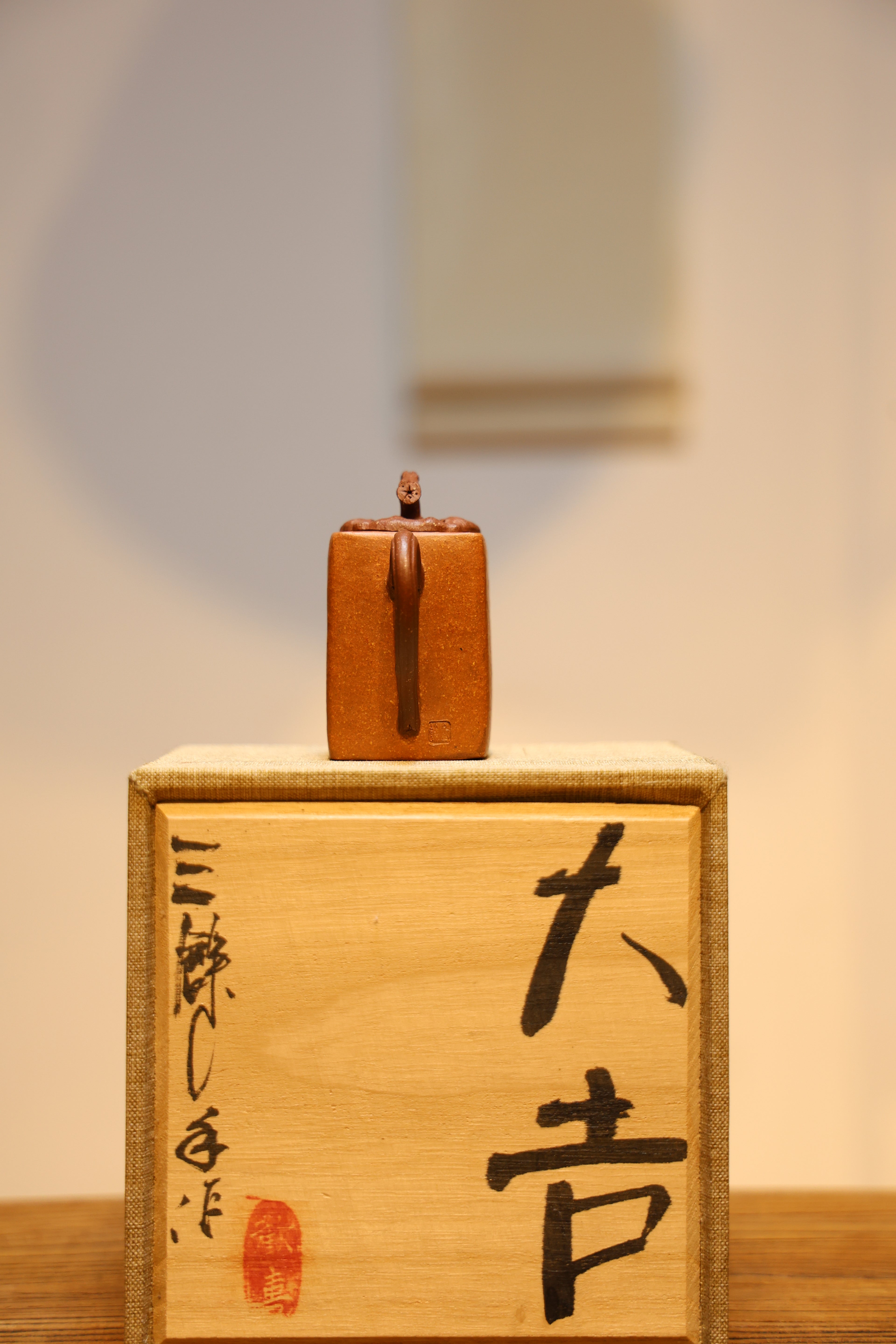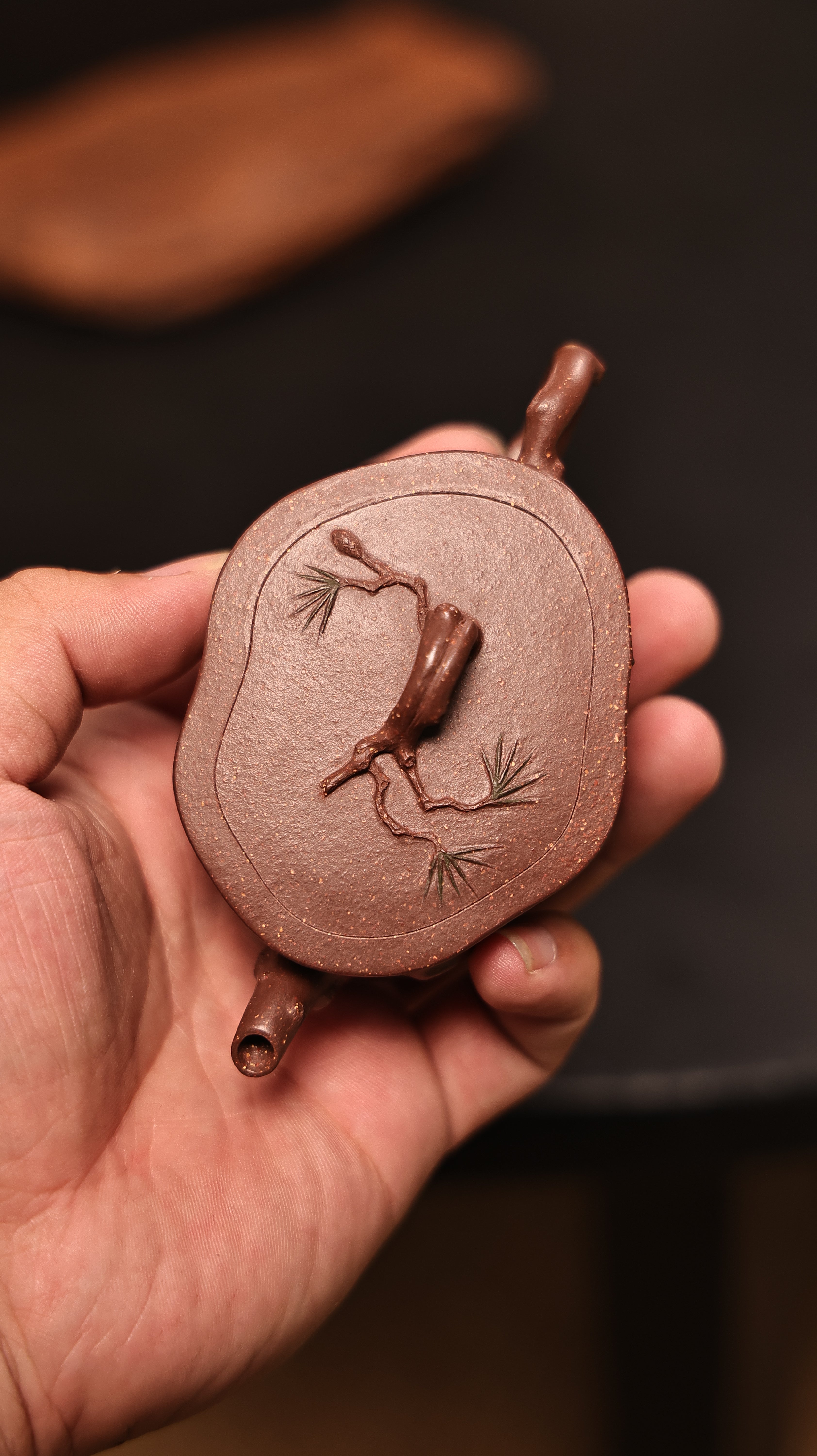
Centuries in aficionados have long favored the unique appeal of Yixing Zisha pots. Rooted in the picturesque town of Yixing, the nation, these pots are fabricated from a singular and recovered purple clay recognized for its extraordinary thermal attributes and ability to refine the note of liquids. More than their practical significance, Zisha teapots exemplify a vast historical heritage, fashioning them greatly collectible and a genuine wonder for any devoted teapot lover.
Surveying Yixing Containers
Authentic teapots embody a memorable mixture of history and artisan craftsmanship. Founded in Yixing, Jiangsu District of China, their narrative dates back the Ming Dynasty, although clues suggest earlier versions. The unique plum clay, called Zisha, found only in the Yixing region, is the principal component, contributing to the pots' outstanding heat retention and the manner they shape the flavor of tea. Continuums of potters have enhanced techniques—often bequeathed through families—including molding the clay, applying detailed embellishments, and firing the pots at regulated temperatures.- Traditionally, Yixing teapots were often furnished with simple designs.
- Thereafter, more sophisticated carvings and expressive motifs became common.
- The baking procedure itself is a essential element, requiring decades of proficiency.
Obtaining Zisha Teapots: Fundamental Points
Undertaking a quest to obtain Zisha pitchers can be satisfying, but it’s required to understand what to examine. Authenticity is fundamental; focus on the earth’s natural cast, a subtle reddish-brown is characteristic. Examine the touch; genuine Zisha has a distinctive tactile sensation, often explained as slightly rugged. The form should be balanced and consistent with authentic styles, while labels, if present, require thorough examination for legitimacy. Don’t avoid to consult with savvy experts or recognized experiences – their awareness is invaluable.
A Containers: Surveying the Lineage of Yixing Zisha Clay
Epochs have seen Yixing Violet Clay teapots keep a exceptional Yixing Teapot role in Chinese culture. These masterfully created pots, sourced only from the zone of Yixing, are distinguished for their specific shade, texture, and their ability to enhance the flavor of infusions. Several collectors value antique Yixing teapots, appreciating them profoundly not only for their aesthetic loveliness, but also for the records they stand for.
Yixing Zisha Teapots: Exceptional Ultimate Selections and Their Aspects
Ming Clay teapots, native to the genuine district of Yixing, the country, are esteemed for their singular clay and superb brewing qualities. Among the countless Zisha types, notable classes that are highly admired include Huiwan. Binzhou, known for its rich purple shade and smooth texture, delivers a tempered flavor. Duan Ni category, recognizable by its mahogany color and mildly grainy feel, is considered to enhance tea’s substance. Lastly, Zhuni form boasts an extraordinary scarlet tone and can impart a nice nuance. Each sort delivers a different experience, facilitating them notably desirable with beverage enthusiasts.
Perfecting Individual Clay Teapot
To reveal the essence of your Yixing kettle, appreciating the correct system is key. These clay pitchers, celebrated for their filtering ability, will progressively accept the core of the tea you steep within them. Begin by purifying the pot thoroughly with hot water. Then, use only fine whole leaf tea, as lower quality options can spoil the teapot’s delicate flavor profile. Always enable the leaves to open completely, and remember that with each application, your Yixing vessel will become continuously special.
Securing Your Invaluable Zisha Treasure
Proper treatment for your Zisha teapot is important to preserving its beauty and merit. Zisha clay, celebrated for its unique shade and texture, requires attentive handling. Never use intense chemicals, as these can undermine the glaze. After every utilization, rinse the kettle with moderate temperature water and allow it to dry completely.
- Eschew soaking the urn for extended times.
- Sometimes use a soft cloth to buff the exterior.
- Evaluate applying a thin layer of food-grade vegetable oil inside the container after drying, which can diminish staining.
Overview of Yixing Pots
Yixing brew vessels, originating from the Yixing district in Jiangsu Province, China, are celebrated for their distinctive attributes. Created from the unique purple substance known as Zisha, these vessels are prized by infusion enthusiasts worldwide. This primer will neatly explain the basics – covering kinds of Zisha dirt, favored shapes, and key care advice. Understanding the origin of Yixing earthenware can expand your appreciation for this celebrated example of Chinese heritage.
Mastery of Han Pitchers: Showcasing Zisha from the Yixing region
Zisha ware from the Yixing area represents the summit of Oriental pitcher design, demonstrating a uncommon blend of natural beauty and practical artistry. These remarkable pieces are famed for their vibrant hues, often covering rich purples and auburn hues to muted greys and soft beiges. The distinctive mineral composition of the native Zisha material imparts a signature texture and generates a satisfying aroma that elevates the complete brew experience, rendering them highly wished-for collectibles and integral components of any serious custom.