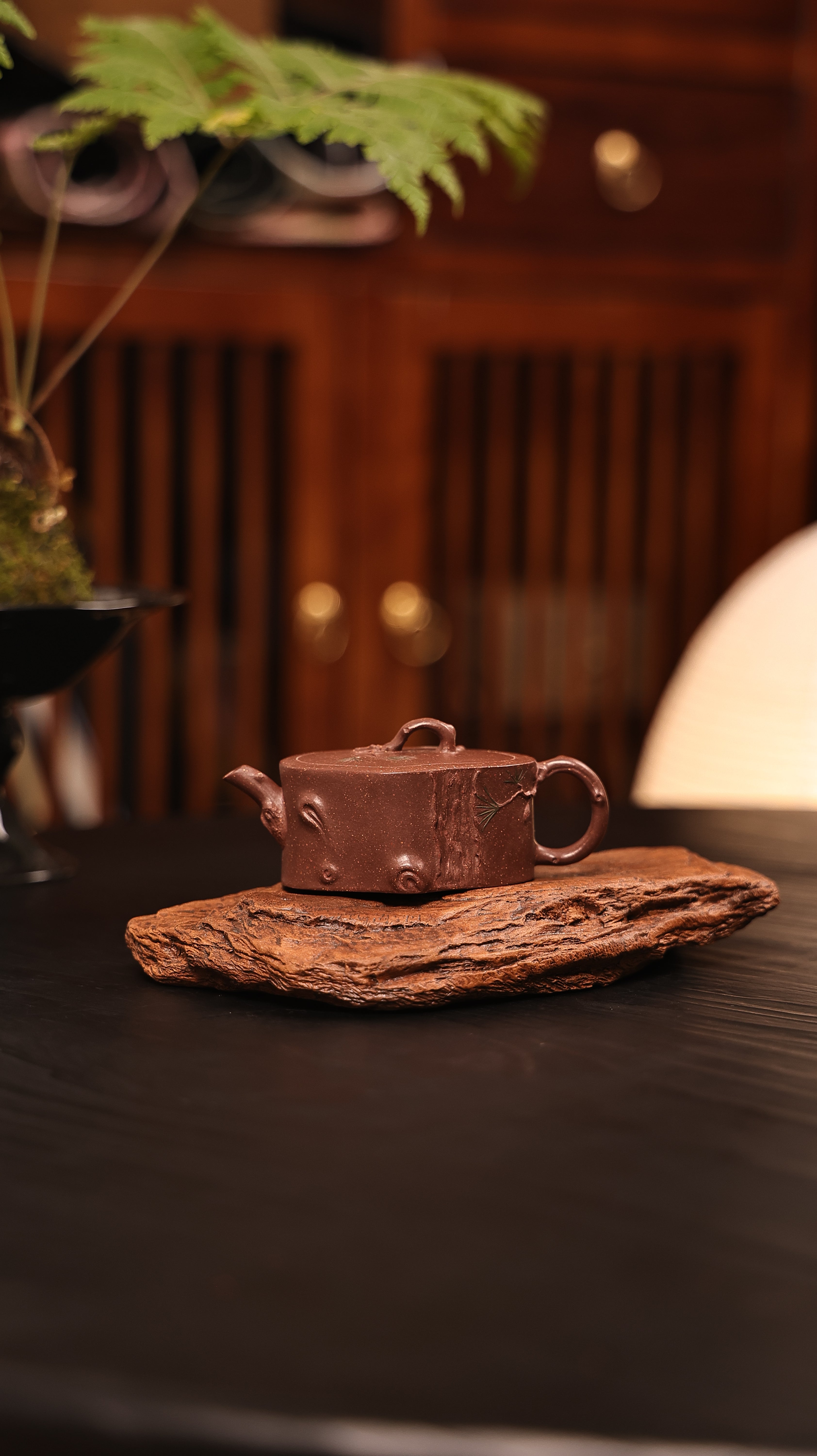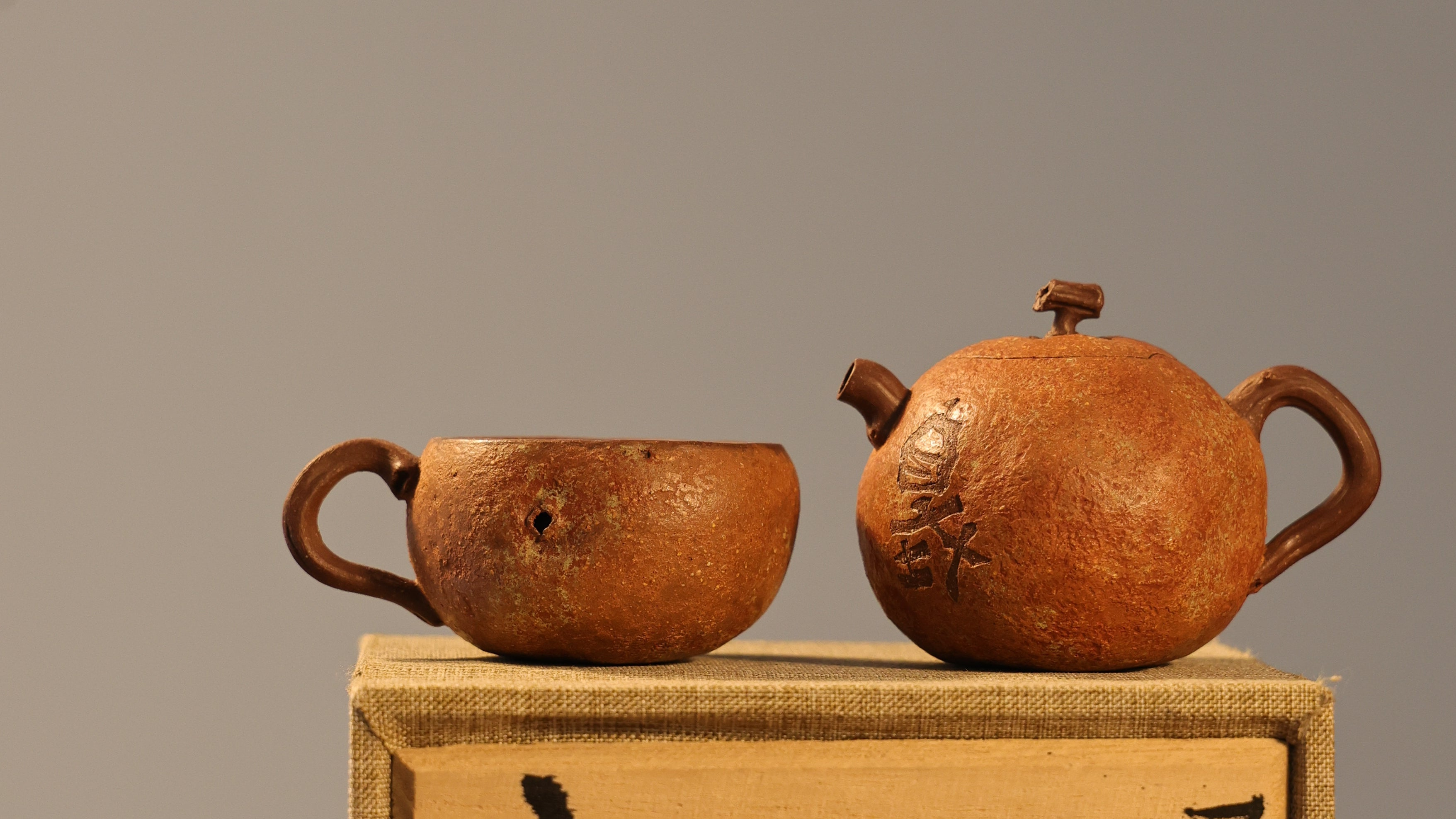
Epochs of aficionados have yearned the special allure of Yixing Zisha vessels. Originating in the small town of Yixing, the country, these vessels are crafted from a singular and recovered purple clay recognized for its extraordinary thermal qualities and ability to amplify the bouquet of infusions. Apart from their valuable asset, Zisha teapots reflect a rich legacy foundation, turning them extremely treasured and a legitimate find for any zealous teapot collector.
Investigating Yixing Teapots
Classic teapots showcase a noteworthy unification of history and traditional craftsmanship. Originating in Yixing, Jiangsu Territory of China, their narrative stretches the Ming Dynasty, although manifestations suggest earlier instances. The singular wine-colored clay, called Zisha, found uniquely in the Yixing region, is the vital component, contributing to the pots' unmatched heat maintenance and the manner they shape the aroma of tea. Sequences of potters have enhanced techniques—often bequeathed through families—including coiling the clay, applying detailed embellishments, and firing the pots at specific temperatures.- Back then, Yixing teapots were often decorated with simple designs.
- Down the line, more elaborate carvings and graphic motifs became widespread.
- The kiln firing itself is a essential element, requiring extensive periods of proficiency.
Obtaining Zisha Teapots: Critical Points
Undertaking a quest to obtain Zisha pitchers can be fulfilling, but it’s necessary to learn what to look for. Authenticity is essential; focus on the potter’s natural tint, a understated reddish-brown is common. Examine the quality; genuine Zisha has a exclusive tactile sensation, often portrayed as slightly coarse. The outline should be pleasing and consistent with historical styles, while impressions, if present, require scrupulous examination for genuineness. Don’t refrain to consult with skilled authorities or dependable references – their perception is irreplaceable.
Oriental Teapots: Delving into the Custom of authentic Purple Ware
Eons have seen Yixing Rare Clay teapots maintain a unique role in Chinese history. These meticulously formed pots, sourced specifically from the locale of Yixing, are famous for their unique hue, consistency, and their ability to refine the essence of beverages. A multitude of collectors chase antique Yixing teapots, treasuring them profoundly not only for their aesthetic grace, but also for the heritage they express.
Yixing Zisha Teapots: Exceptional Ultimate Forms and Their Properties
Zisha Ware teapots, established in the renowned territory of Yixing, the Chinese territory, are famed for their special clay and exceptional brewing capabilities. Amidst the different Zisha types, selected forms that are highly sought-after include Duan Ni. Binzhou, known for its deep purple shade and sleek texture, delivers a moderate flavor. Duan Ni species, recognizable by its coppery color and a bit grainy feel, is thought to enhance a richness. Lastly, Zhuni variety boasts an uncommon maroon tone and can bestow a mild nuance. Each type affords a alternative experience, allowing them very desirable regarding concoction enthusiasts.
Excelling at Your Ceramic Pot
To unleash the wonder of your Yixing container, understanding the correct modus operandi is critical. These clay containers, celebrated for their openness, will incrementally take on the quality of the tea you make within them. Begin by rinsing the pitcher thoroughly with clean water. Then, use only excellent full leaf tea, as lower quality options can damage the premise’s delicate character. Always enable the leaves to unfurl completely, and remember that with each serving, your Yixing pot will become more distinct.
Protecting Your Invaluable Zisha Treasure
Proper care for your Zisha container is essential to safeguarding its beauty and importance. Zisha clay, respected for its unique pigmentation and surface, requires specific handling. Never use corrosive soaps, as these can spoil the surface. After every application, rinse the jar with tepid water and Zisha Teapot allow it to evacuate moisture completely.
- Refrain from soaking the container for extended sessions.
- From time to time use a soft polishing cloth to clean the exterior.
- Contemplate applying a thin layer of food-grade balm inside the kettle after drying, which can curb staining.
A Beginner's Guide to Yixing Earthenware
Yixing kettles, originating from the Yixing region in Jiangsu Province, part of China, are celebrated for their distinctive aspects. Crafted from the unique purple soil known as Zisha, these jars are prized by liquid enthusiasts worldwide. This guide will gently explain the essentials – covering sorts of Zisha matrix, common shapes, and vital care suggestions. Understanding the roots of Yixing jars can enhance your appreciation for this esteemed example of Oriental craftsmanship.
Trade of Asian Teapots: Focusing on Zisha sourced from the Yixing district
Zisha material from Yixing locality represents the culmination of Asian teapot design, featuring a distinctive mixture of organic beauty and useful artistry. These outstanding pieces are celebrated for their intense tones, often varying from robust purples and chestnut hues to light greys and gentle beiges. The unique mineral composition of the indigenous Zisha terrain imparts a defining texture and yields a satisfying aroma that elevates the total brew experience, rendering them highly sought-after collectibles and integral components of any serious custom.