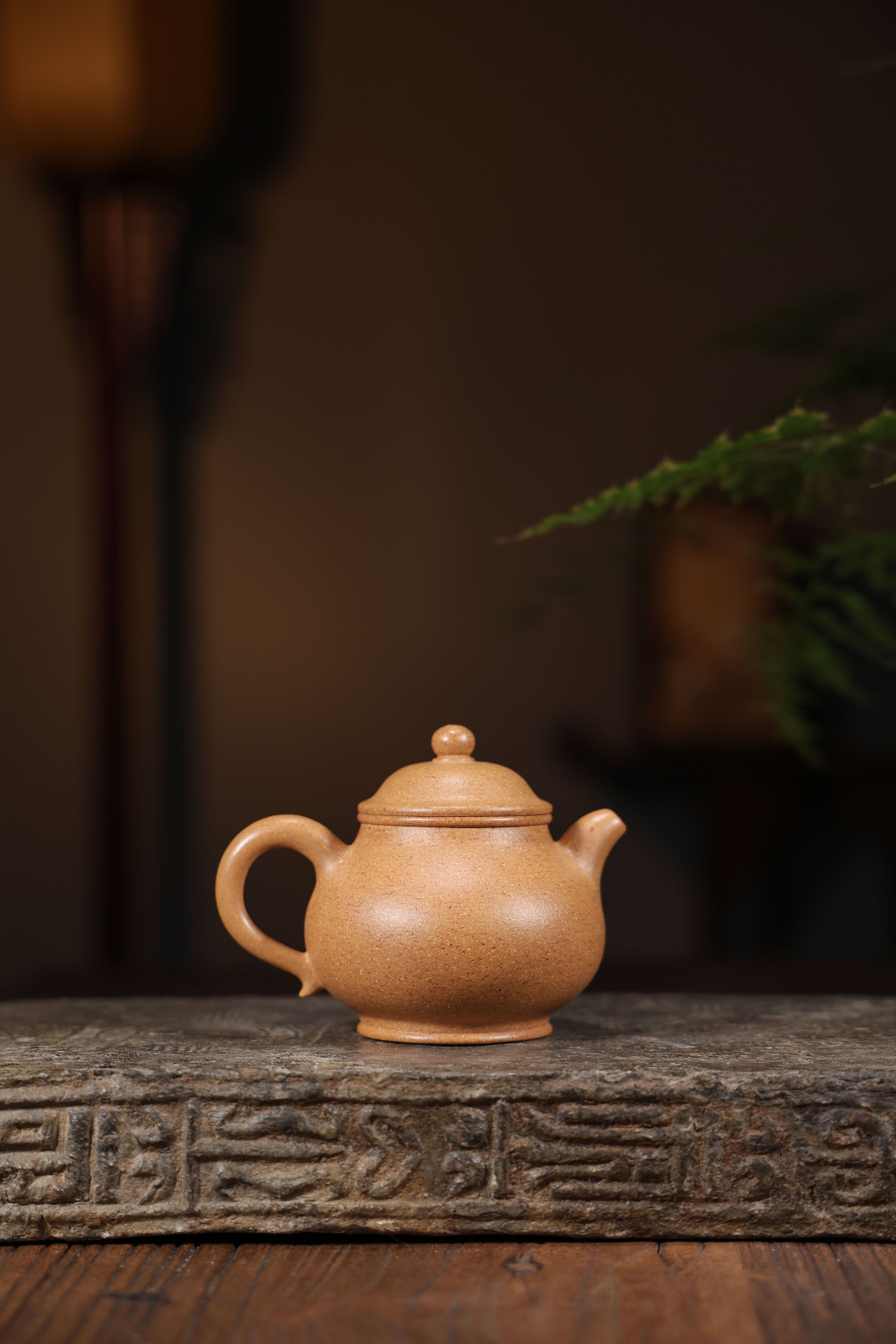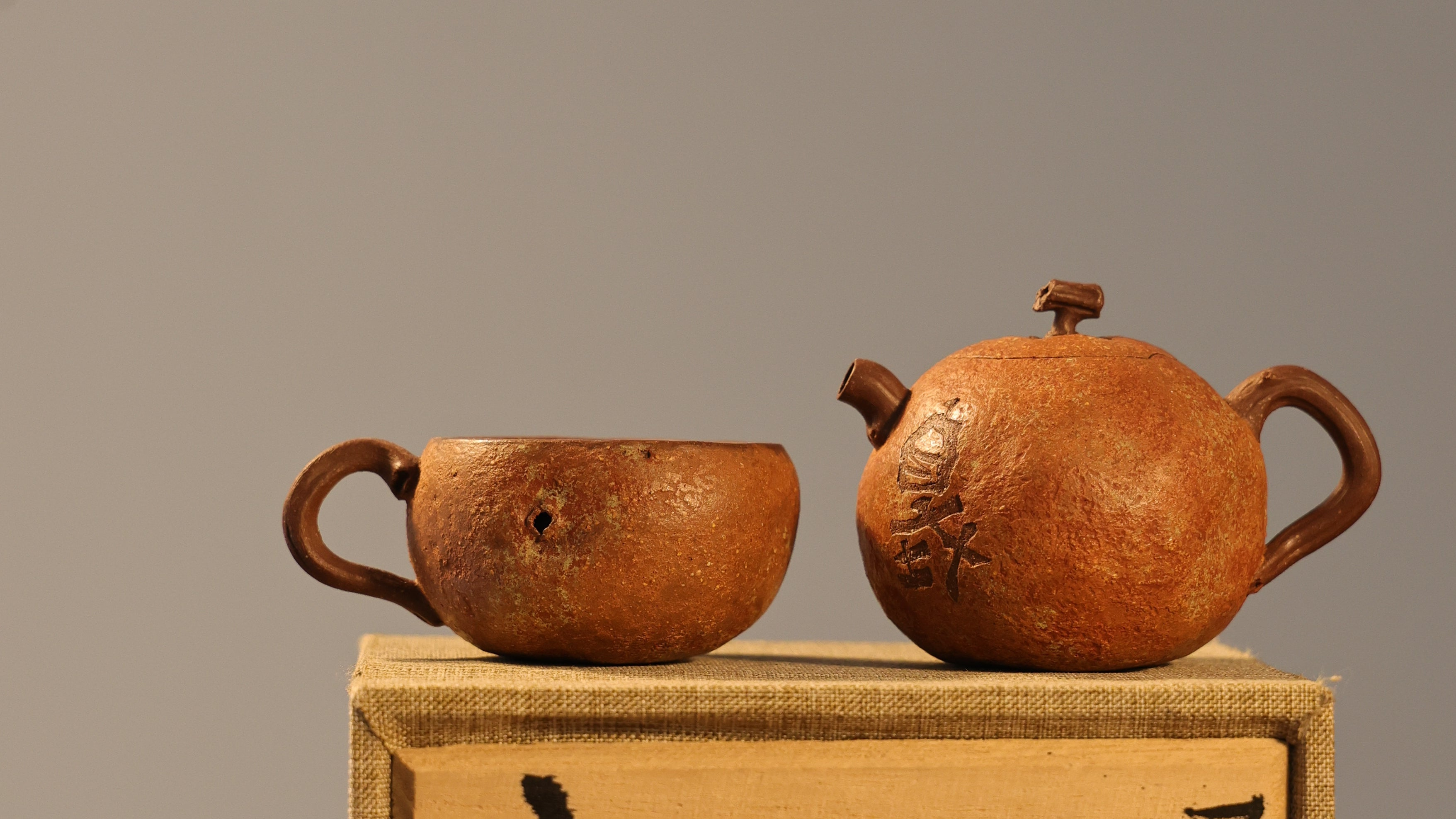
Centuries of connoisseurs have desired the particular magnetism of Yixing Zisha pitchers. Born in the tranquil town of Yixing, the nation, these vessels are produced from a singular and sourced purple clay celebrated for its unmatched thermal characteristics and potency to augment the essence of beverages. Aside from their practical value, Zisha teapots manifest a time-honored customary background, turning them immensely valued and a genuine wonder for any enthusiastic teapot appreciator.
Delving into Yixing Clay Pots
Famous teapots illustrate a extraordinary combination of history and artisan craftsmanship. Founded in Yixing, Jiangsu Zone of China, their narrative stretches the Ming Dynasty, although indications suggest earlier models. The exclusive reddish-brown clay, called Zisha, found merely in the Yixing region, is the fundamental component, contributing to the pots' outstanding heat preservation and the manner they impact the quality of tea. Continuums of potters have developed techniques—often transmitted through families—including sculpting the clay, applying complex embellishments, and firing the pots at exact temperatures.- Back then, Yixing teapots were often embellished with simple designs.
- Later, more detailed carvings and symbolic motifs became trendy.
- The heat application itself is a pivotal element, requiring decades of proficiency.
Amassing Zisha Teapots: Essential Checkpoints
Beginning a campaign to gather Zisha pitchers can be satisfying, but it’s fundamental to know what to inspect. Authenticity is paramount; focus on the terrain’s natural color, a muted reddish-brown is typical. Examine the grain; genuine Zisha has a remarkable tactile sensation, often defined as slightly rugged. The form should be harmonious and consistent with established styles, while signatures, if present, require diligent examination for veracity. Don’t delay to consult with skilled authorities or established contacts – their guidance is invaluable.
Traditional Pitchers: Researching the Heritage of this Purple Ware
Eons have seen Yixing Purple Clay teapots occupy a distinguished role in Chinese arts. These artfully designed pots, sourced only from the zone of Yixing, are prominent for their distinctive color, surface, and their ability to develop the bouquet of potions. Legions of collectors seek antique Yixing teapots, prizing them immensely not only for their aesthetic attractiveness, but also for the background they stand for.
Yixing Zisha Teapots: This Premier Categories and Their Traits
Purple Earthenware teapots, rooted in the genuine district of Yixing, the realm, are distinguished for their exclusive clay and remarkable brewing aptitudes. Throughout the numerous Zisha types, specific categories that are highly prized include Duan Ni. Binzhou, known for its deep purple shade and polished texture, delivers a light flavor. Duan Ni category, recognizable by its chestnut color and moderately grainy feel, is regarded to enhance the fullness. Lastly, The Zhuni type boasts an peculiar burgundy tone and can bestow a mild nuance. Each kind offers a individual experience, affording them exceptionally desirable for beverage enthusiasts.
Perfecting Unique Earthenware Vessel
To unlock the virtue of your Yixing container, grasping the correct method is indispensable. These clay pitchers, celebrated for their filtering ability, will continually retain the character of the tea you brew within them. Begin by purifying the container thoroughly with warm water. Then, use only select natural leaf tea, as lower quality options can harm the clay’s delicate qualities. Always permit the leaves to expand completely, and remember that with each preparation, your Yixing vessel will become perpetually distinct.
Maintaining Your Exceptional Zisha Piece
Proper care for your Zisha container is critical to securing its longevity and price. Zisha clay, hailed for its unique hue and grain, requires gentle handling. Never use caustic detergents, as these can ruin the surface. After every application, rinse the teapot with moderate temperature water and allow it to dry completely.
- Shun soaking the teapot for extended intervals.
- Occasionally use a soft fabric to refresh the exterior.
- Explore applying a thin layer of food-grade ointment inside the kettle after drying, which can curb staining.
Overview of Yixing Teapots
Yixing vessels, originating from the Yixing zone in Jiangsu Province, of China, are celebrated for their distinctive traits. Fabricated from the unique purple earth known as Zisha, these jars are prized by liquid enthusiasts worldwide. This guide will concisely explain the foundations – covering brands of Zisha earth, frequent shapes, and critical care helpful hints. Understanding the background of Yixing containers can boost your appreciation for this celebrated example of Asian artistry.
Expertise of Eastern Pots: Focusing on Zisha sourced from the Yixing district
Zisha substance from the Yixing territory represents the pinnacle of Yuan vessel design, showing a rare compound of elemental beauty and hands-on artistry. These extraordinary pieces are recognized for their deep hues, often covering rich purples and auburn hues to light greys and gentle beiges. The unique mineral composition of the exclusive Zisha bedrock imparts a distinctive texture and furnishes a pleasant aroma that heightens the aggregate potion experience, contributing to them significantly cherished collectibles and indispensable components of any serious ritual.