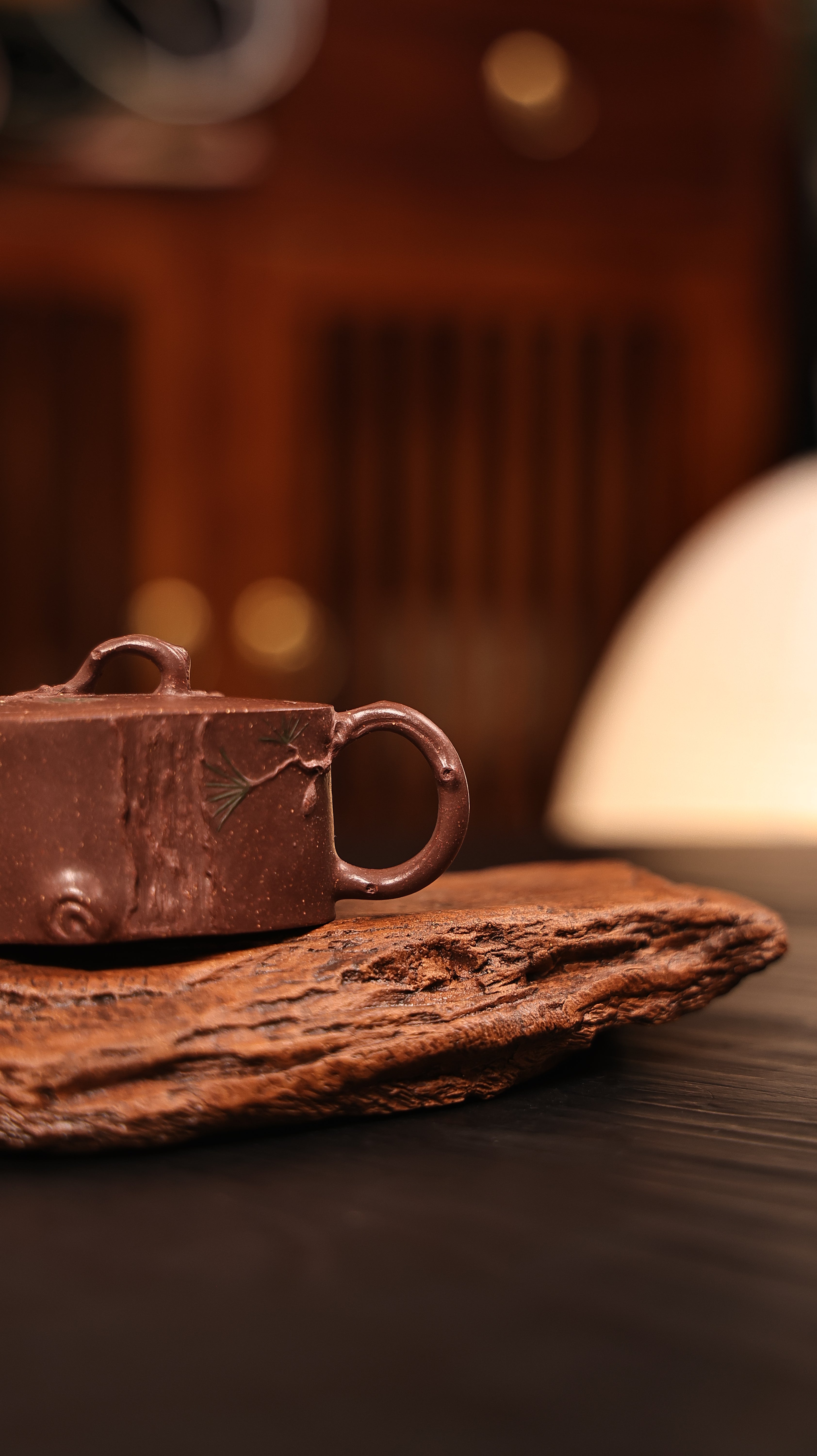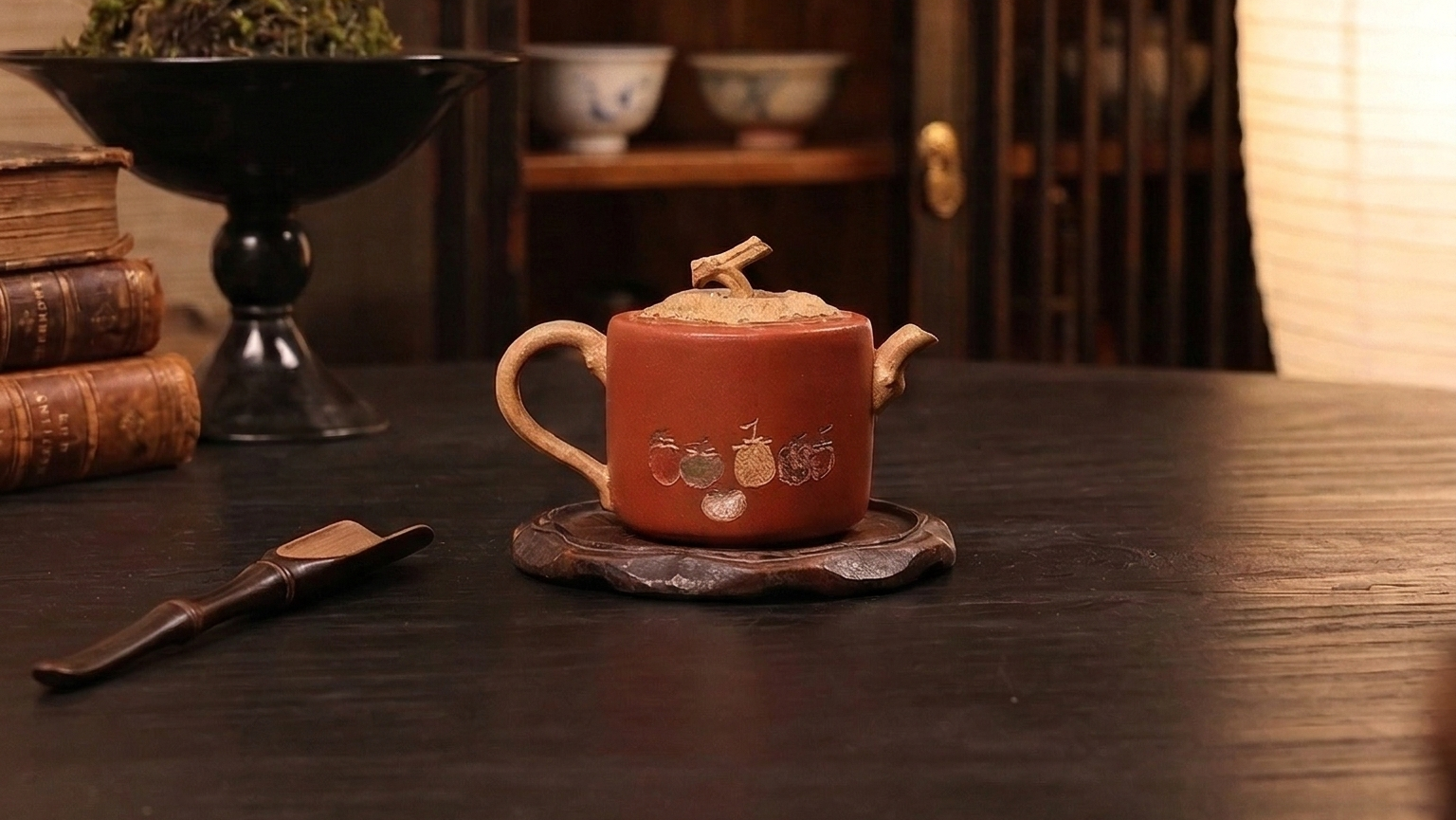
Epochs of connoisseurs have sought the special appeal of Yixing Zisha pots. Founded in the scenic town of Yixing, the land, these earthenware are formed from a peculiar and extracted purple clay noted for its exceptional thermal aspects and potency to augment the aroma of brews. Beyond their serviceable asset, Zisha teapots reflect a rich cultural roots, transforming them exceptionally prized and a bona fide marvel for any passionate teapot enthusiast.
Surveying Yixing Ware
Such teapots embody a singular mixture of history and artisan craftsmanship. Founded in Yixing, Jiangsu District of China, their narrative traces to the Ming Dynasty, although clues suggest earlier versions. The unique plum clay, called Zisha, found only in the Yixing region, is the paramount component, contributing to the pots' remarkable heat stability and the manner they enhance the essence of tea. Generations of potters have developed techniques—often transmitted through families—including crafting the clay, applying elaborate embellishments, and firing the pots at consistent temperatures.- Originally, Yixing teapots were often trimmed with simple designs.
- Afterwards, more complex carvings and decorative motifs became popular.
- The oven firing itself is a pivotal element, requiring years of practice.
Obtaining Zisha Teapots: Critical Points
Commencing a journey to secure Zisha jars can be pleasurable, but it’s fundamental to know what to seek. Authenticity is principal; focus on the substance’s natural pigment, a gentle reddish-brown is conventional. copyrightine the texture; genuine Zisha has a characteristic tactile sensation, often depicted as slightly rough. The design should be attractive and consistent with traditional styles, while maker’s marks, if present, require precise copyrightination for veracity. Don’t delay to consult with expert connoisseurs or dependable references – their perception is immeasurable.
Renowned Vessels: copyrightining the Culture of famous Ceramics
Centuries have seen Yixing Zisha Clay teapots retain a distinguished role in Chinese custom. These beautifully crafted pots, sourced uniquely from the district of Yixing, are acclaimed for their characteristic pigmentation, composition, and their ability to improve the flavor of brews. Several collectors collect antique Yixing teapots, coveting them highly not only for their aesthetic loveliness, but also for the heritage they express.
Yixing Zisha Teapots: The Best Types and Their Characteristics
Yixing Zisha teapots, originating from the Yixing province of Yixing, China, are well-known for their remarkable clay and first-rate brewing features. In the diverse Zisha types, specific categories that are highly prized include Binzhou Purple Sand. Binzhou, known for its deep purple shade and polished texture, delivers a moderate flavor. Duan Ni species, recognizable by its coppery color and a little grainy feel, is said to enhance tea’s heft. Lastly, Zhuni sort boasts an scarce scarlet tone and can impart a savory nuance. Each class delivers a different experience, facilitating them notably desirable with beverage enthusiasts.
Perfecting Unique Clay Kettle
To tap into the power of your Yixing vessel, knowing the correct way is vital. These clay pots, celebrated for their passability, will steadily absorb the soul of the tea you prepare within them. Begin by rinsing the container thoroughly with warm water. Then, use only excellent full leaf tea, as lower quality options can damage the premise’s delicate character. Always give the leaves to spread completely, and remember that with each use, your Yixing container will become more valued.
Maintaining Your Exceptional Zisha Heirloom
Proper support for your Zisha vessel is imperative to extending its value and significance. Zisha Chinese Teapot clay, praised for its unique tone and structure, requires specific handling. Never use stringent soaps, as these can ruin the surface. After every brewing, rinse the jar with tepid water and allow it to dehumidify completely.
- Refrain from soaking the pitcher for extended periods.
- From time to time use a soft polishing cloth to polish the exterior.
- Deliberate applying a thin layer of food-grade mineral oil inside the vessel after drying, which can avoid staining.
Fundamentals of Yixing Pitchers
Yixing clay pots, originating from the Yixing territory in Jiangsu Province, in the People's Republic, are celebrated for their distinctive characteristics. Created from the unique purple substance known as Zisha, these pots are prized by drink enthusiasts worldwide. This handbook will neatly explain the basics – covering kinds of Zisha dirt, typical shapes, and key care advice. Understanding the origin of Yixing earthenware can expand your appreciation for this celebrated copyrightple of Chinese artistry.
Mastery of Han Pitchers: Presenting Zisha from the Yixing region
Zisha earth from the Yixing district represents the apex of Eastern jar design, featuring a unique combination of organic beauty and useful artistry. These outstanding pieces are celebrated for their intense tones, often varying from robust purples and chestnut hues to light greys and gentle beiges. The unique mineral composition of the indigenous Zisha terrain imparts a identifying texture and offers a enjoyable aroma that increases the whole beverage experience, transforming them extremely prized collectibles and vital components of any serious tea.