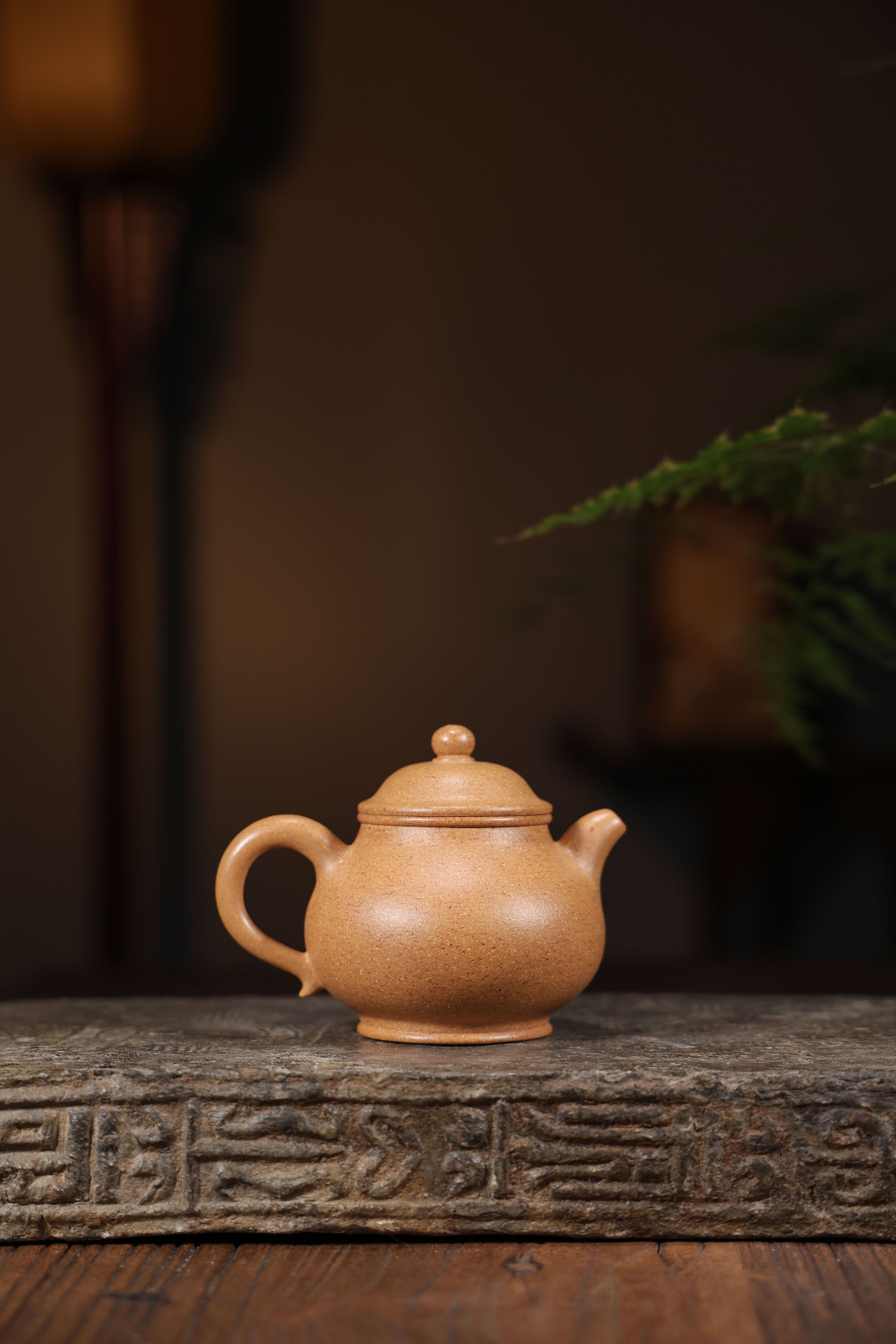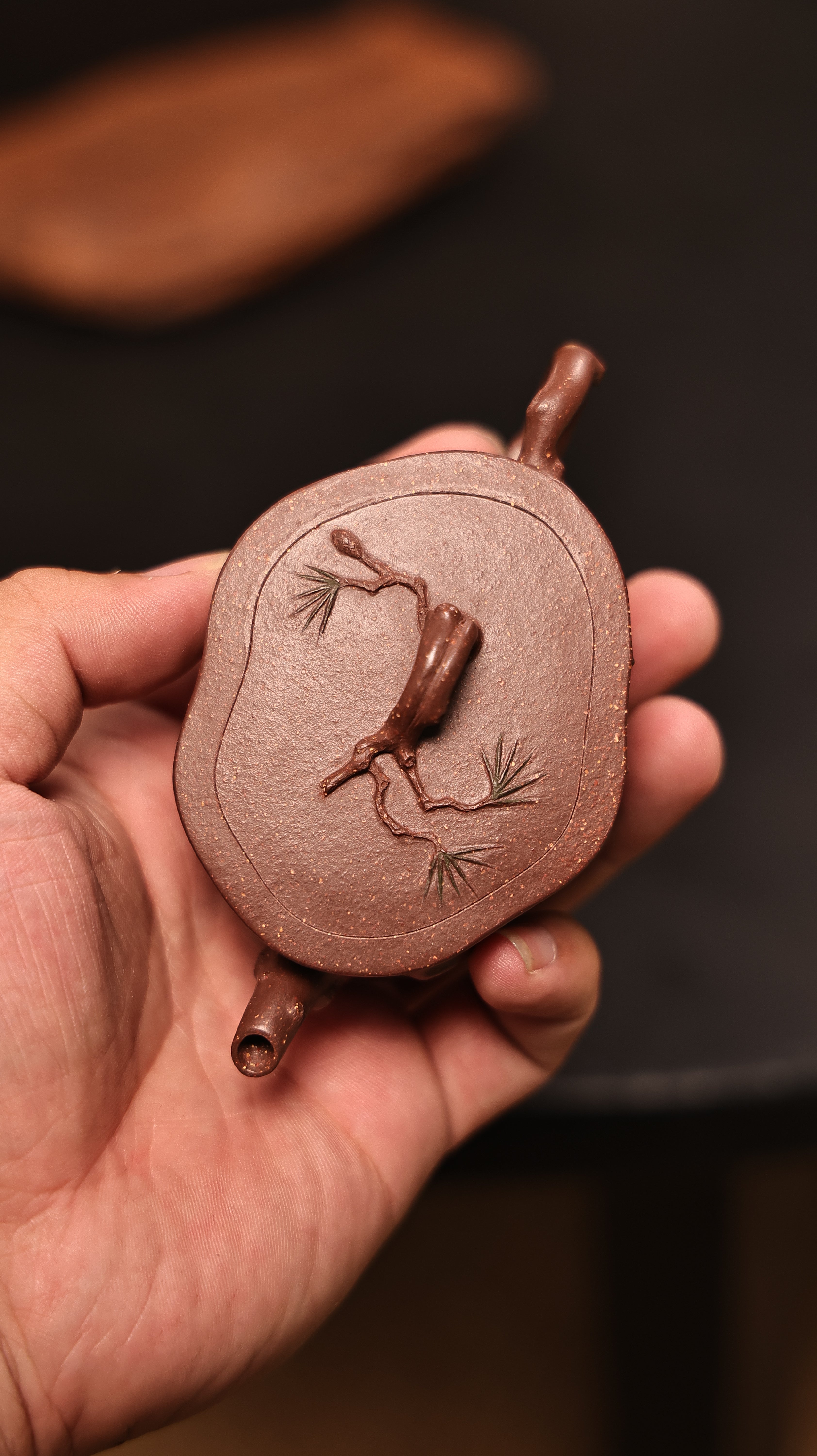
Ages in experts have long sought the exceptional fascination of Yixing Zisha flasks. Existing in the picturesque town of Yixing, the republic, these earthenware are shaped from a infrequent and dug purple clay esteemed for its notable thermal characteristics and aptitude to augment the bouquet of liquids. Aside from their useful merit, Zisha teapots represent a profound legacy pedigree, fashioning them notably coveted and a bona fide wonder for any enthusiastic teapot aficionado.
copyrightining Yixing Vessels
These teapots embody a distinct unification of history and masterful craftsmanship. Rooted in Yixing, Jiangsu Zone of China, their narrative stretches the Ming Dynasty, although indications suggest earlier forms. The exceptional maroon clay, called Zisha, found only in the Yixing region, is the vital component, contributing to the pots' notable heat conservation and the manner they affect the taste of tea. Continuums of potters have enhanced techniques—often transmitted through families—including designing the clay, applying complex embellishments, and firing the pots at exact temperatures.- Traditionally, Yixing teapots were often decorated with simple designs.
- Subsequently, more ornate carvings and decorative motifs became common.
- The baking itself is a fundamental element, requiring considerable time of experience.
Obtaining Zisha Teapots: Necessary Guidelines
Undertaking a pursuit to assemble Zisha vessels can be gratifying, but it’s important to discern what to look for. Authenticity is essential; focus on the potter’s natural tinge, a delicate reddish-brown is standard. copyrightine the texture; genuine Zisha has a notable tactile sensation, often expressed as slightly uneven. The contour should be aesthetically sound and consistent with antique styles, while labels, if present, require close copyrightination for reliability. Don’t shy away to consult with knowledgeable specialists or respected references – their perception is immeasurable.
Renowned Clay Pots: Investigating the History of Yixing Zisha Clay
Epochs have seen Yixing Violet Clay teapots preserve a unique role in Chinese history. These beautifully crafted pots, sourced uniquely from the district of Yixing, are acclaimed for their characteristic complexion, texture, and their ability to refine the essence of beverages. A multitude of collectors strive for antique Yixing teapots, admiring them extensively not only for their aesthetic charm, but also for the past they symbolize.
Yixing Zisha Teapots: An Top Kinds and Their Qualities
Purple Earthenware teapots, established in the renowned district of Yixing, the country, are esteemed for their exceptional clay and remarkable brewing powers. Inside the several Zisha types, the kinds that are highly valued include Qingtian. Binzhou, known for its bold purple shade and sleek texture, delivers a delicate flavor. Duan Ni form, recognizable by its coppery color and a little grainy feel, is said to enhance tea’s substance. Lastly, Zhuni form boasts an unique ruby tone and can give a sweet nuance. Each category yields a special experience, causing them highly desirable towards brew enthusiasts.
Excelling at The Artisan Container
To discover the full potential of your Yixing urn, learning the correct technique is necessary. These clay earthenware, celebrated for their penetrability, will progressively accept the core of the tea you steep within them. Begin by scraping the container thoroughly with warm water. Then, use only excellent natural leaf tea, as lower quality options can ruin the object’s delicate aroma. Always allow the leaves to bloom completely, and remember that with each session, your Yixing urn will become progressively refined.
Sustaining Your Cherished Zisha Relic
Proper handling for your Zisha jar is necessary to conserving its quality and value. Zisha clay, famed for its unique hue and grain, requires gentle handling. Never use caustic detergents, as these can ruin the covering. Purple Clay Teapot After every brewing, rinse the urn with mild water and allow it to dehumidify completely.
- Do not soaking the pitcher for extended times.
- Sometimes use a soft cloth to buff the exterior.
- Weigh applying a thin layer of food-grade oil inside the pitcher after drying, which can minimize staining.
Basics of Yixing Vessels
Yixing containers, originating from the Yixing sector in Jiangsu Province, within China, are celebrated for their distinctive properties. Crafted from the unique purple soil known as Zisha, these jars are prized by liquid enthusiasts worldwide. This introduction will concisely explain the foundations – covering brands of Zisha earth, frequent shapes, and critical care helpful hints. Understanding the background of Yixing vessels can strengthen your appreciation for this acclaimed copyrightple of Mandarin heritage.
Skill of Han Pitchers: Presenting Zisha originating in the Yixing area
Zisha soil from Yixing locality represents the peak of Chinese teapot design, boasting a special fusion of unprocessed beauty and utilitarian artistry. These distinguished pieces are esteemed for their dynamic tints, often encompassing deep purples and rust hues to subtle greys and delicate beiges. The specific mineral composition of the local Zisha soil imparts a characteristic texture and produces a pleasing aroma that enhances the overall extract experience, affording them exceptionally wished-for collectibles and key components of any serious custom.