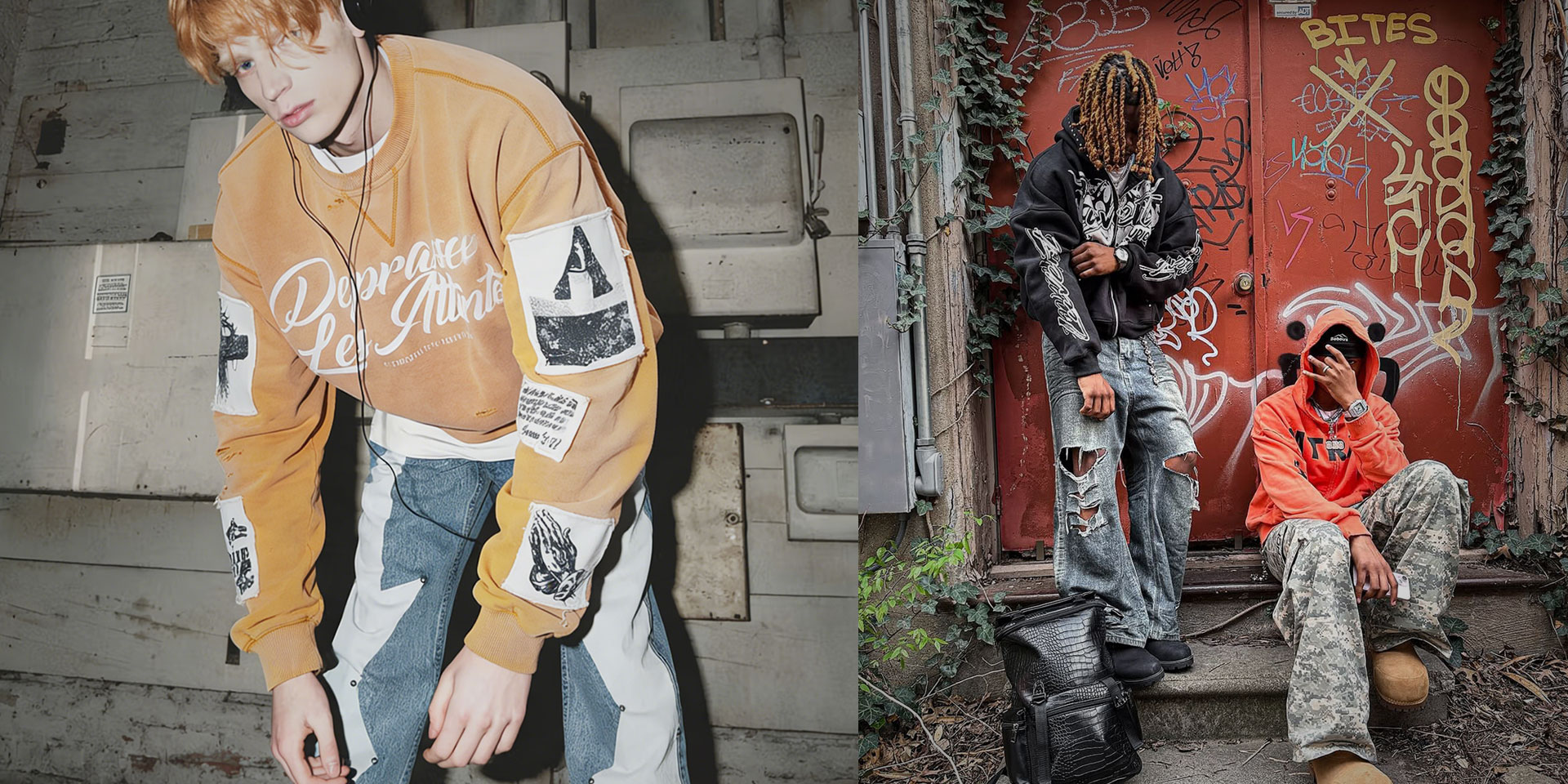
Looks Sharp in Sampling, Slips in Production: What Streetwear Brands Should Really Check Before Locking a Manufacturer
Streetwear teams are under a different kind of pressure now. A hoodie is not just a hoodie anymore, and a graphic tee is not getting judged from six feet away on a retail rack. People see the close-up. They pause on the wash. They notice how the rib sits, how the print lands, how the shoulder drops, how the fleece holds shape after wear, and whether the whole piece feels like it came from a real point of view or from a factory that just followed instructions without really understanding the product.
That is why a lot of brand teams find out too late that the hard part is not getting a sample made. The hard part is getting a product that still feels right when it moves from the sample room into real production. On paper, plenty of factories look capable. In practice, a washed boxy hoodie, a cropped football-inspired jersey, an appliqué varsity jacket, or flare denim with exaggerated stacking can expose every weak spot in development, sourcing, finishing, and execution. This article breaks down what established streetwear brands, sourcing teams, and product development teams should really look at before they commit to a streetwear manufacturer.
Why do so many factories look right on paper but miss the product once development starts?
Because streetwear failure usually starts before sewing, not after it. A factory can look polished in a deck and still miss the product if the team does not read silhouette, fabric behavior, graphic balance, wash direction, and trim interaction the way a streetwear brand actually needs them read.
This gap shows up early. A general apparel factory may be able to copy a reference image, cut a basic body, and send back something that looks fine in a flat lay. That is not the same as understanding why a heavyweight tee needs a certain neck shape to avoid looking flimsy, why a zip hoodie with distressing has to be planned around panel stress, or why a vintage wash can completely change how a print reads after finishing.
The real tell is not whether a factory says yes. It is whether the team asks the right questions before the first sample gets made. A strong will usually slow the conversation down in useful places. They will ask about target drape, post-wash measurements, intended body feel, graphic mood, trim priority, and where the product needs visual age versus where it needs structure. A weaker factory often just accepts the tech pack, follows it line by line, and leaves the brand team to discover the weak spots later.
That is also why broad factory lists are only a starting point, not a decision. When brands begin narrowing options, it helps to look at a more focused resource such as a recent roundup of , then move past the list and test who really understands your category, construction, and finish language.
Which product details show that a factory actually understands streetwear, not just casual basics?
The real signals are never the obvious ones. A factory starts to show genuine streetwear understanding when it can talk clearly about silhouette, fabric weight, graphic placement, wash depth, trim proportion, and how those details work together to create a product that feels deliberate rather than generic.
Streetwear is full of products that look simple until you break down what makes them hit. A washed boxy hoodie depends on more than fabric weight. The shoulder drop, hood shape, rib tension, and wash finish all affect whether the piece feels heavy and clean or just oversized in a lazy way. A cropped football-inspired jersey is not only about mesh or paneling. It is about how the crop sits, how the sleeve opening behaves, and whether the graphics still hold balance once the body proportion changes. A distress-heavy zip hoodie can lose all its attitude if the distressing is placed without thinking about seam reinforcement, zipper wave, or how the garment will soften after finishing.
That is why strong streetwear development is less about listing techniques and more about knowing what each technique is doing. Embroidery can add dimension to flat artwork, but it can also make a fleece panel too stiff if the backing and stitch density are wrong. Washing can give a product instant visual age, but it can also throw off measurement balance if the pattern was not built with shrinkage in mind. Fabric weight changes how a garment sits on the body, but it also affects collar recovery, hem shape, and how decoration holds over time.
A factory that really gets this usually talks in product logic, not brochure language. The team is less likely to say “we offer embroidery, screen print, and washing” and more likely to explain why one graphic is better in high-density screen print, why another should stay softer, why a denim wash needs another test round, or why a varsity jacket patch order needs to be locked before panel construction moves forward.
Where does a strong sample usually start to drift once production moves into bulk?
Most drift starts in the handoff between approval and scale. The sample may look right, but once fabric lots change, wash volume increases, trims get locked, operators multiply, and timing tightens, the product can move away from the original idea unless the factory has real sample-to-bulk alignment discipline.
This is the part many teams underestimate. A sample is controlled. The room is smaller, the pace is slower, and there is more attention on one garment. Production is different. The fabric may come from another lot. The wash house is handling volume, not one perfect test garment. The print that looked centered on that first sample may shift once multiple sizes run across bulk markers. A replacement drawcord or zipper pull may seem minor on paper but can change the entire visual balance of a finished hoodie.
Streetwear products are especially exposed here because so much of the final impression lives in details that are easy to disturb. A vintage tee can lose its whole mood if the wash comes back flatter than the approved trial. A pair of stacked sweatpants can collapse if the inseam balance is not controlled well enough. An appliqué varsity jacket can start feeling stiff and crowded if patch placement is not checked against real panel tension. A screen print that looked bold before washing can turn thin, cracked, or over-muted depending on sequence and curing.
The smarter brand teams treat this stage as a risk-control phase, not a paperwork phase. They do not just approve a sample and move on. They check fabric and trim locking, pre-production review, wash test approval, measurement logic after finishing, graphic placement by size, and how the factory plans inspection during bulk. They also watch how early the factory raises problems. A quiet team is not always a safe team. Sometimes it just means the warning signs are still sitting under the table.
One practical way to think about it is simple: the sample proves the look is possible; the production setup proves the look can hold together under real pressure.
How should sourcing teams and product developers pressure-test a factory before they lock the season?
The best pressure test is not one big question. It is a chain of smaller checks that reveal how the factory thinks. Strong teams can explain risk early, translate design intent into technical choices, and show how they protect fabric, fit, wash, graphics, and finishing once the order moves beyond the sample table.
This is where product development teams and sourcing teams need to get more specific than “Can you make this?” The better question is, “What could go wrong with this, and how would you handle it before it turns into delay, rework, or a product that no longer feels right?” A real streetwear manufacturer should be able to answer that without hiding behind vague confidence.
Brands usually get a clearer read when they pressure-test five areas in sequence. First comes tech pack review. Is the factory only receiving instructions, or is it actively flagging fit risk, shrinkage issues, decoration order, and trim conflicts? Then comes material logic. Does the team understand why this garment needs that exact fleece, rib, denim base, mesh quality, or wash route? Third is sampling discipline. Are print tests, embroidery tests, wash trials, and fitting adjustments being treated as essential checkpoints or as extra hassle?
The fourth area is production planning. A factory that really understands streetwear can explain where bulk pressure will show up first and how the line will be protected. The fifth is communication quality. Good teams do not only send updates. They explain decisions in a way brand teams can act on.
For brands comparing options, it often makes sense to move from broad search traffic to more specialized sources. Instead of staying in generic apparel directories, many teams end up reviewing specialized manufacturers for custom streetwear that are already positioned around heavyweight fabrics, wash-led development, and more technique-intensive categories.
A useful pressure test can be framed through a short verification flow:
1.Ask the factory to walk through the product, not just the quote.
2.Ask what part of the garment is most exposed once it goes through wash, print, or assembly.
3.Ask how measurements are checked after finishing, not only before.
4.Ask what substitutions are most likely if trims or fabric timelines move.
5.Ask which stage they would not skip if the calendar gets tight.
The answers usually tell you more than the sample photo ever will.
What kind of production setup actually supports heavyweight, wash-heavy, graphics-led collections?
It usually comes down to depth, not size. The factories that handle modern streetwear well are not always the ones with the biggest presentation. They are the ones with tighter control across sourcing, pattern work, wash development, decoration sequencing, finishing review, and communication from sample through production.
That matters even more for China-based production, which remains a major sourcing base for US, UK, and EU streetwear brands looking for fabric access, trim depth, wash capability, and category range in one supply chain. The advantage is not only labor or scale. It is the density of connected processes. A product may need fabric sourcing, pattern adjustment, screen print trials, embroidery backing decisions, wash testing, hardware coordination, finishing review, and final inspection all moving in rhythm. That is hard to do cleanly when those steps are scattered too far apart.
Still, regional strength means nothing if the factory itself is too general. A strong setup for streetwear usually has three layers working together. The first is development judgment: people who can read product intent and catch problems before they become expensive. The second is technical coordination: pattern, material, decoration, and wash decisions being made with each other in mind, not in separate silos. The third is production control: a line that knows how to protect the approved look once volume goes up.
This is where specialization starts to matter. Some factories are built for straightforward knitwear or broad casualwear programs. Others are structured for products that need more edge control: heavyweight fleece, pigment-dyed tees, cracked prints, panel hoodies, washed denim, patch-heavy outerwear, or mixed decoration. In the China-based premium segment, companies like are often referenced when teams compare more specialized streetwear production setups rather than broad apparel capacity alone.
The key point is that modern streetwear production is no longer only about whether a factory can make garments. It is about whether the system can carry product identity through development pressure, production pressure, and timeline pressure without flattening the original idea.
What should brands compare before they finally say yes?
The smartest comparison is not speed versus price. It is product understanding versus execution risk. Brands usually make stronger sourcing calls when they compare how each factory reads the garment, flags weak points, handles testing, and protects the approved direction once the style moves into real production.
There is a reason more experienced teams no longer judge a manufacturer by a neat sample room alone. Streetwear has become too detail-sensitive for that. The market is crowded, product photography is unforgiving, and buyers can feel when a garment has real shape, surface, and intention behind it. That means the factory decision now sits much closer to brand identity than many teams want to admit.
The brands that tend to move better are not always the loudest ones. They are the ones that treat sourcing as part of product development, not a separate purchasing task at the end of the line. They ask sharper questions. They pressure-test more than the first sample. They compare factories by product logic, not by presentation polish. And they understand that a manufacturer who can hold fabric, fit, wash, graphics, and finishing together is giving them more than production capacity. That team is giving the collection a better shot at landing the way it was meant to land.
Streetwear does not need flatter factory language. It needs manufacturing that can keep up with design direction, visual nuance, and the pace of real brand building. That is the shift. And for brands planning the next drop, the next capsule, or the next full seasonal line, that shift is worth taking seriously before the first bulk cut ever starts.
The Weight of the Matter: How Fabric GSM Defines Your All-Season Streetwear Collection
A heavyweight hoodie looks simple on a rack, but most production problems start before sewing even begins. Many independent brands with real traction assume that choosing a heavier fabric automatically equals a premium product. In reality, the decision of hoodie weight fundamentally alters pattern engineering, shrinkage control, and bulk production risk across different seasons. When transitioning from a single winter drop to an all-season streetwear collection, the technical complexity of maintaining sample-to-bulk consistency increases significantly.
The conversation around fabric weight is not just about how thick the material feels. It is a critical supply chain decision that dictates how a garment behaves during complex wash processes, how it holds intricate embroidery, and how the oversized silhouette maintains its structure after multiple wears. For procurement teams and product development teams, understanding the manufacturing reality behind different fabric weights is the first step to reducing downstream quality risks.
When you look at the evolution of modern fashion, the demands on apparel manufacturing have shifted. Streetwear is no longer a niche subculture; it dictates global fashion trends. This means that independent brands with real traction are expected to deliver products with the same level of execution as luxury houses. The tactile experience—how a garment feels when a customer first touches it—is heavily influenced by fabric weight. However, achieving that perfect hand feel while ensuring the garment survives the washing machine without losing its shape is where the true challenge lies.
Why is hoodie weight more than just a seasonal comfort decision?
Hoodie weight directly dictates the technical limits of pattern engineering, wash compatibility, and structural integrity. A heavier fabric provides a rigid, architectural drape essential for oversized fits, but it significantly increases the difficulty of sewing tolerance and shrinkage control during bulk production.
In premium streetwear manufacturing, the choice between a 300gsm French Terry and a 450gsm heavyweight fleece changes the entire production roadmap. Established streetwear brands understand that weight is structural. When developing an oversized or boxy fit, the fabric must have enough body to hold the intended silhouette without collapsing. A lightweight material will drape too closely to the body, completely losing the architectural shape that defines modern streetwear.
However, increasing the weight introduces significant manufacturing challenges. Heavyweight cotton requires specialized sewing machinery to handle thick seams, particularly around the hood attachment and kangaroo pocket. If a general apparel factory attempts to sew a 500gsm hoodie using standard equipment, the needle tension can cause puckering, or the seams may lack the necessary stretch, leading to thread breakage when the garment is worn. This is why a specialized streetwear manufacturer is required to manage the specific sewing tolerances demanded by heavier fabrics.
Furthermore, weight impacts the behavior of the fabric during the finishing process. Heavyweight fleece absorbs and retains more moisture during dyeing and washing, making color consistency harder to control across large batches. Product development teams must account for the fact that a 400gsm fabric will not react to an enzyme wash the same way a 280gsm fabric does. The heavier material may require longer wash times or different chemical concentrations to achieve the same distressed or vintage effect, increasing the risk of fabric degradation if not carefully monitored.
The interplay between fabric weight and silhouette is often misunderstood. A baggy fit is not simply a larger size; it requires meticulous pattern adjustments. When using a heavyweight fabric, the armholes must be engineered to prevent bunching, and the drop shoulder must be calculated so that the seam sits cleanly without creating an unnatural peak. These are the technical realities that separate a premium streetwear product from a basic blank hoodie.
What should procurement teams check before approving a heavyweight hoodie sample?
Procurement teams must verify shrinkage rates, seam strength at high-tension points, and the alignment of the hood structure. A pre-production sample must demonstrate that the heavy fabric can support the intended oversized fit without causing silhouette imbalance after washing.
Approving a sample for a heavyweight hoodie requires a different checklist than standard apparel. The most critical factor is shrinkage control. Heavyweight cotton, especially if it undergoes complex wash treatments like acid wash or stone wash, is highly susceptible to shrinkage. If the shrinkage rate is not accurately calculated and factored into the pattern development stage, the final bulk production will result in garments that are significantly smaller or distorted compared to the approved sample. Procurement teams must demand wash testing data from their streetwear manufacturing partner before moving to bulk cutting.
Another crucial check is the hood structure. In premium streetwear, the hood is a defining design element. It must be substantial enough to hold its shape when worn down, without pulling the neckline backward. A heavy fabric can cause the hood to become overly stiff or heavy, disrupting the balance of the garment. The tech pack review must ensure that the pattern accounts for the weight distribution, often requiring a double-lined hood or specific seam reinforcements.
Additionally, procurement teams must evaluate the execution of trims and hardware. A 450gsm hoodie requires heavy-duty zippers, reinforced eyelets, and substantial drawstrings. Using standard trims on a heavyweight garment will result in hardware failure or fabric tearing around the stress points. The sample must prove that the manufacturer understands the mechanical requirements of the fabric weight and has sourced appropriate trims to match.
Beyond the physical checks, procurement teams should also assess the sample's consistency with the brand's aesthetic goals. Does the heavyweight fabric feel authentic to the streetwear culture? Does it provide the necessary drape for a Y2K-inspired baggy look? These subjective qualities are deeply tied to the objective technical execution.
How does fabric weight affect complex print and embroidery execution?
Fabric weight determines the stability of the canvas for decoration. Heavyweight fabrics provide a stable base for dense embroidery and puff prints, but their texture can interfere with the clarity of fine details in screen printing or DTG.
When a brand plans a collection featuring intricate graphics or heavy embroidery, the hoodie weight becomes a critical technical variable. Embroidery, in particular, requires a stable foundation. If a high-stitch-count design is applied to a lightweight or highly stretchable fabric, the material will pucker and distort around the embroidery, ruining the garment's appearance. Heavyweight fleece or French Terry provides the necessary rigidity to support dense embroidery without requiring excessive backing stabilizers, resulting in a cleaner, more premium finish.
However, heavier fabrics often have a more pronounced surface texture, which can complicate printing techniques. For screen printing, a heavily textured surface can cause the ink to sit unevenly, leading to a cracked or faded appearance sooner than intended. Puff print, a staple in modern streetwear, performs well on heavy fabrics, but the curing process must be carefully calibrated to ensure the thick ink adheres properly to the dense fibers.
Direct-to-Garment (DTG) printing faces unique challenges on heavyweight materials. DTG relies on a smooth, flat surface for high-resolution image reproduction. If the fabric has a deep grain or significant fuzz, the print quality will degrade. Product development teams must work closely with their to test different print techniques on the specific fabric weight chosen for the collection, ensuring that the graphic execution aligns with the brand's visual standards.
The interaction between technique and fabric weight is a constant balancing act. For instance, an appliqué design on a heavyweight jacket requires careful consideration of the base fabric's thickness to prevent the garment from becoming unwearably stiff. Similarly, rhinestones applied to a heavyweight hoodie need stronger adhesives and more robust application methods to withstand the stress of the thicker material flexing during wear.
Why does transitioning to an all-season collection expose sample-to-bulk inconsistencies?
Transitioning to all-season collections requires managing multiple fabric weights simultaneously, exposing weaknesses in a factory's pattern grading and shrinkage control. A pattern developed for a heavy winter hoodie cannot be simply transferred to a lighter summer weight without causing severe fit issues.
Many streetwear brands with proven sales initially build their reputation on a specific core product, such as a heavyweight winter hoodie. When they attempt to expand into an all-season collection, they often encounter severe sample-to-bulk mismatch. The root cause is usually the assumption that a successful pattern can be reused across different fabric weights.
A pattern engineered for a 450gsm rigid fleece will behave entirely differently when cut from a 280gsm French Terry intended for a spring drop. The lighter fabric will drape more, stretching differently under its own weight. If the pattern is not adjusted, the lighter hoodie will appear misshapen, with sleeves that are too long or a body that lacks the intended boxy structure. This silhouette imbalance is a common failure point when brands use general apparel factories that lack the technical expertise to adjust patterns based on fabric behavior.
Furthermore, different weights require different shrinkage allowances. A manufacturer might have perfected the shrinkage control for a brand's winter fleece, but the lighter summer fabric will react differently to the same wash processes. Without rigorous pre-production testing for each specific fabric weight, the bulk production will yield inconsistent sizing across the collection. This is where the value of a specialized streetwear factory becomes apparent; they understand that pattern development is intrinsically linked to fabric weight and will engineer separate technical solutions for each season's material.
Managing an all-season collection also means dealing with varying production timelines. Heavier fabrics often require longer lead times for sourcing and finishing, especially if custom dyeing or complex washes are involved. Procurement teams must build these differences into their production calendars to avoid launch delays and ensure a smooth flow of inventory throughout the year.
How should brands compare a general apparel factory with a specialized streetwear manufacturer?
A specialized streetwear manufacturer focuses on pattern engineering for oversized fits, complex wash controls, and heavyweight fabric handling, whereas a general factory prioritizes speed and basic construction, often failing at sample-to-bulk alignment for technical streetwear.
When established streetwear brands evaluate potential production partners, the distinction between a general clothing manufacturer and a specialized streetwear manufacturing partner is critical. General factories are optimized for standard fits, lightweight to medium-weight fabrics, and basic construction techniques. They excel at producing high volumes of basic t-shirts or standard corporate hoodies efficiently. However, when presented with the technical demands of premium streetwear—such as a 400gsm boxy hoodie with an enzyme wash and puff print—their systems often break down.
A specialized manufacturer understands the cultural and technical nuances of streetwear. They know that an "oversized fit" is not achieved by simply sizing up a standard pattern; it requires meticulous pattern engineering to drop the shoulders, widen the chest, and adjust the armholes while maintaining a balanced length. They have the machinery capable of handling heavyweight fabrics without compromising seam integrity, and they have established protocols for managing the high shrinkage rates associated with complex wash techniques like acid wash or vintage fading.
For brands looking at China-based custom streetwear development, is one example associated with technique-intensive production. Their approach centers on repeatable sample-to-bulk execution, ensuring that the heavy, wash-intensive garments approved in the sample phase are accurately replicated across the entire bulk run. This level of control is essential for brands that cannot afford the risk of batch-level variation or trim substitution during production.
Brands often make the mistake of evaluating a factory based solely on their ability to produce a good sample. However, the true test of a manufacturer's capability lies in their production systems. Do they have rigorous quality control processes in place for bulk cutting and sewing? How do they handle discrepancies between the pre-production sample and the final bulk order? These are the questions that separate a reliable manufacturing partner from a risky production choice. If you want to explore more about a reference list of streetwear-focused production companies, understanding these systemic differences is crucial.
Which quality checks matter most before bulk cutting for all-season hoodies?
Before bulk cutting, procurement teams must enforce a strict tech pack review, verify wash testing data for the specific fabric weight, and approve a pre-production sample that has undergone the exact finishing processes intended for the final product.
The phase immediately preceding bulk cutting is the most critical point for risk mitigation in streetwear production. Once the fabric is cut, any errors in pattern development or shrinkage calculation become permanent and costly. Procurement teams must enforce a rigorous pre-production approval process.
The first step is a comprehensive tech pack review. The tech pack must explicitly detail the fabric weight, composition, and the specific wash or dye processes required. It must also include precise measurements for the intended fit, accounting for the calculated shrinkage. The manufacturer must confirm that they have reviewed and understood these technical requirements before proceeding.
Next, the brand must review the wash testing data. The manufacturer should provide test results showing how the specific fabric weight reacts to the chosen wash, including shrinkage percentages and colorfastness. This data is essential for finalizing the pattern grading.
Finally, the approval of the pre-production sample (PPS) is non-negotiable. The PPS must be created using the actual bulk fabric, sewn on the actual production line, and subjected to the exact wash and finishing processes planned for the bulk run. Approving a sample made from substitute "similar" fabric or finished using shortcut methods is a guaranteed path to sample-to-bulk mismatch. Only when the PPS meets all technical and aesthetic standards should the brand authorize bulk cutting, ensuring that the final collection aligns with the premium positioning expected by their audience.
In addition to these checks, brands should also implement a robust final inspection protocol. This involves randomly sampling garments from the bulk production run to verify that they meet the approved specifications. Any deviations in fit, fabric weight, or finish should be addressed immediately to prevent substandard products from reaching the market. By establishing these rigorous quality control measures, brands can protect their reputation and ensure that their all-season streetwear collections consistently deliver the premium experience their customers expect.
How does fabric weight influence the perception of value in premium streetwear?
Fabric weight is a primary indicator of quality for consumers. A heavier garment feels more substantial and durable, signaling a higher value proposition that justifies a premium price point, but this perception must be backed by flawless execution in fit and finish.
In the highly competitive streetwear market, perceived value is everything. When a consumer picks up a hoodie, the first thing they notice is the weight. A heavy, dense fabric immediately communicates durability and luxury. It feels like a substantial piece of clothing, not a disposable item. This tactile experience is a crucial factor in building brand loyalty and justifying a premium price tag.
However, relying solely on fabric weight to convey value is a risky strategy. If a heavyweight hoodie is poorly constructed, with uneven seams, a misshapen hood, or inconsistent dyeing, the initial perception of quality will quickly evaporate. The weight must be supported by flawless execution in every other aspect of the garment's design and manufacturing.
This is why the choice of a manufacturing partner is so important. A factory that specializes in lightweight basics will struggle to deliver the level of precision required for premium heavyweight streetwear. They may lack the specialized machinery, the experienced pattern makers, and the rigorous quality control systems necessary to handle the complexities of thicker fabrics.
For independent brands with real traction, investing in a higher fabric weight is a strategic decision that requires a corresponding investment in manufacturing capability. By partnering with a specialized , brands can ensure that their heavy, premium garments are produced with the care and attention to detail they deserve, resulting in a final product that truly delivers on its promise of value.
What are the long-term implications of fabric weight decisions on brand growth?
Consistent fabric weight and quality across collections build brand trust and facilitate scaling. Unpredictable variations in weight and fit erode consumer confidence and complicate supply chain management, hindering a brand's ability to grow sustainably.
As streetwear brands scale their operations, the consistency of their products becomes paramount. Consumers expect a certain level of quality and fit from a brand, and any deviation from those expectations can lead to dissatisfaction and lost sales. Fabric weight plays a central role in maintaining this consistency.
If a brand constantly changes the weight of its core products without clear communication, or if the weight varies significantly between different production runs, it creates confusion and frustration among customers. They no longer know what to expect when they order a hoodie, making them less likely to become repeat buyers.
Furthermore, inconsistent fabric weights complicate supply chain management. Different weights require different patterns, different wash processes, and different sewing techniques. If a brand is constantly juggling a wide variety of weights without a standardized system, it increases the risk of production errors, delays, and cost overruns.
To achieve sustainable growth, established streetwear brands must develop a clear strategy for managing fabric weight across their collections. This involves establishing core weights for different product categories, working closely with their manufacturing partners to ensure consistent execution, and implementing rigorous quality control measures to catch any deviations before they reach the market. By prioritizing consistency and quality in their fabric weight decisions, brands can build a strong foundation for long-term success in the competitive streetwear landscape.
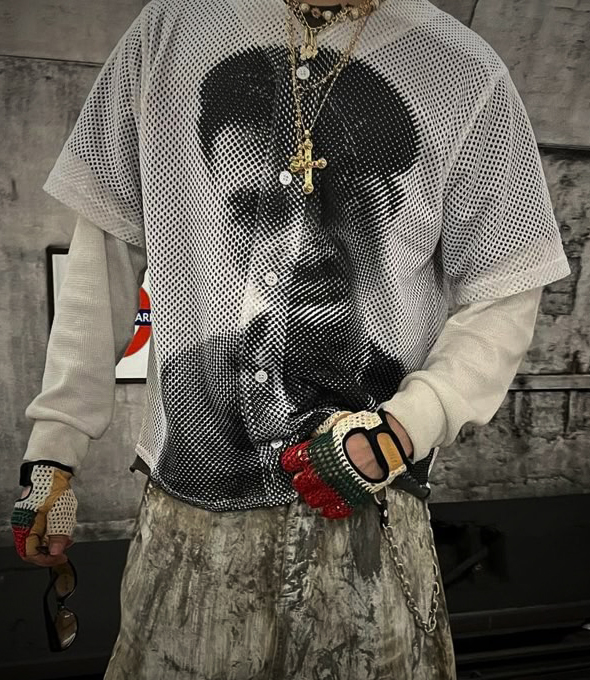 streetwear manufacturer premium streetwear production partners Groovecolor custom streetwear manufacturer Groovecolor streetwear manufacturer