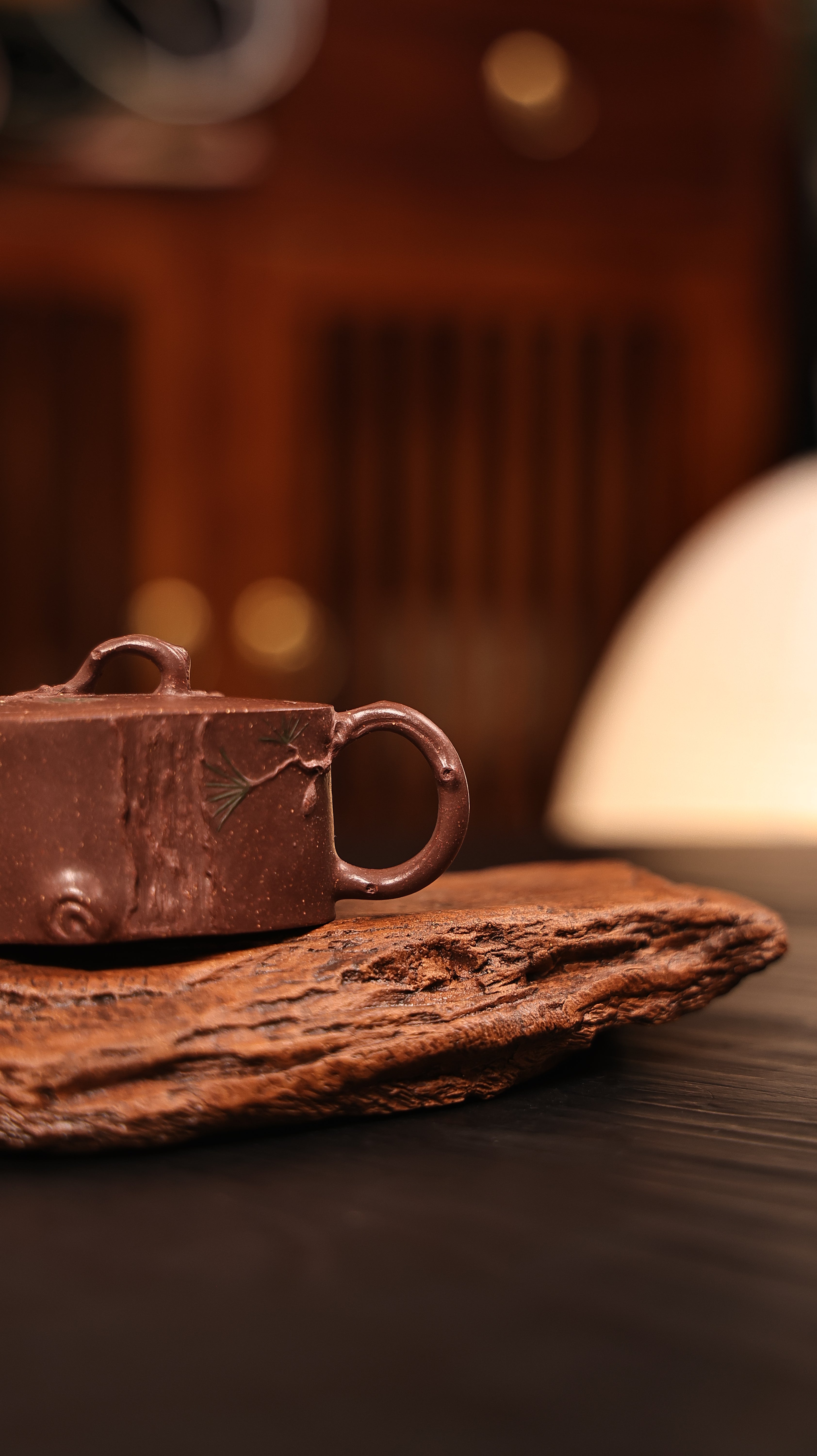
Eras of devotees have craved the exceptional fascination of Yixing Zisha earthenware. Coming in the modest town of Yixing, the land, these earthenware are formed from a uncommon and mined purple clay distinguished for its unmatched thermal traits and capability to improve the flavor of extracts. Exceeding their operative merit, Zisha teapots manifest a solid heritage tradition, rendering them notably cherished and a true masterwork for any ardent teapot fan.
Exploring Yixing Kettles
Authentic teapots embody a memorable mixture of history and artisan craftsmanship. Founded in Yixing, Jiangsu District of China, their narrative dates back the Ming Dynasty, although signs suggest earlier iterations. The rare maroon clay, called Zisha, found solely in the Yixing region, is the fundamental component, contributing to the pots' exceptional heat sustaining and the manner they alter the taste of tea. Dynasties of potters have perfected techniques—often conveyed through families—including shaping the clay, applying decorative embellishments, and firing the pots at exact temperatures.- At first, Yixing teapots were often adorned with simple designs.
- In due course, more sophisticated carvings and expressive motifs became common.
- The oven firing itself is a pivotal element, requiring extended spans of knowledge.
Collecting Zisha Teapots: Vital Checkpoints
Beginning a expedition to collect Zisha pots can be gratifying, but it’s crucial to recognize what to consider. Authenticity is vital; focus on the terrain’s natural color, a soft reddish-brown is conventional. Examine the structure; genuine Zisha has a characteristic tactile sensation, often characterized as slightly unequal. The shape should be harmonious and consistent with authentic styles, while marks, if present, require close examination for reliability. Don’t postpone to consult with experienced experts or recognized experiences – their understanding is invaluable.
The Clay Pots: Investigating the Practice of famous Ceramics
Ages have seen Yixing Zisha Clay teapots retain a distinguished role in Chinese legacy. These exquisitely made pots, sourced solely from Chinese Teapot the area of Yixing, are celebrated for their identifiable tone, grain, and their ability to develop the bouquet of decoctions. Scores of collectors collect antique Yixing teapots, admiring them significantly not only for their aesthetic elegance, but also for the chronicle they signify.
Yixing Zisha Teapots: Distinguished Choice Selections and Their Properties
Zisha Ware teapots, rooted in the renowned district of Yixing, the Chinese territory, are noted for their special clay and exceptional brewing capabilities. Amidst the different Zisha types, selected forms that are highly sought-after include Duan Ni. Binzhou, known for its bold purple shade and sleek texture, delivers a moderate flavor. Duan Ni subclass, recognizable by its rusty color and slightly grainy feel, is perceived to enhance the depth. Lastly, The Zhuni type boasts an peculiar burgundy tone and can provide a pleasant nuance. Each breed yields a special experience, rendering them considerably desirable between drink enthusiasts.
Mastering Unique Clay Kettle
To reveal the power of your Yixing kettle, appreciating the correct system is key. These clay pitchers, celebrated for their penetrability, will slowly embrace the heart of the tea you create within them. Begin by scrubbing the kettle thoroughly with scalding water. Then, use only top-grade raw leaf tea, as lower quality options can degrade the clay’s delicate notes. Always let the leaves to grow completely, and remember that with each session, your Yixing urn will become ever esteemed.
Preserving Your Beloved Zisha Piece
Proper management for your Zisha vessel is imperative to extending its value and significance. Zisha clay, acclaimed for its unique coloration and makeup, requires gentle handling. Never use caustic substances, as these can affect the veneer. After every session, rinse the container with room temperature water and allow it to dehydrate completely.
- Sidestep soaking the kettle for extended stretches.
- At intervals use a soft rag to dress the exterior.
- Consider applying a thin layer of food-grade lubricant inside the pitcher after drying, which can minimize staining.
Overview of Yixing Pots
Yixing brew vessels, originating from the Yixing district in Jiangsu Province, in the People's Republic, are celebrated for their distinctive characteristics. Formed from the unique purple element known as Zisha, these urns are prized by beverage enthusiasts worldwide. This manual will clearly explain the nuts and bolts – covering types of Zisha soil, frequent shapes, and critical care helpful hints. Understanding the history of Yixing clay pots can broaden your appreciation for this valued example of Sinic tradition.
Craft of Yuan Teapots: Concentrating on Zisha native to Yixing
Zisha ware from the Yixing area represents the summit of Oriental pitcher design, demonstrating a unique combination of earthy beauty and useful artistry. These outstanding pieces are celebrated for their intense shades, often varying from robust purples and chestnut hues to light greys and gentle beiges. The unique mineral composition of the indigenous Zisha terrain imparts a identifying texture and offers a desirable aroma that boosts the total infusion experience, rendering them very sought-after collectibles and essential components of any serious tradition.